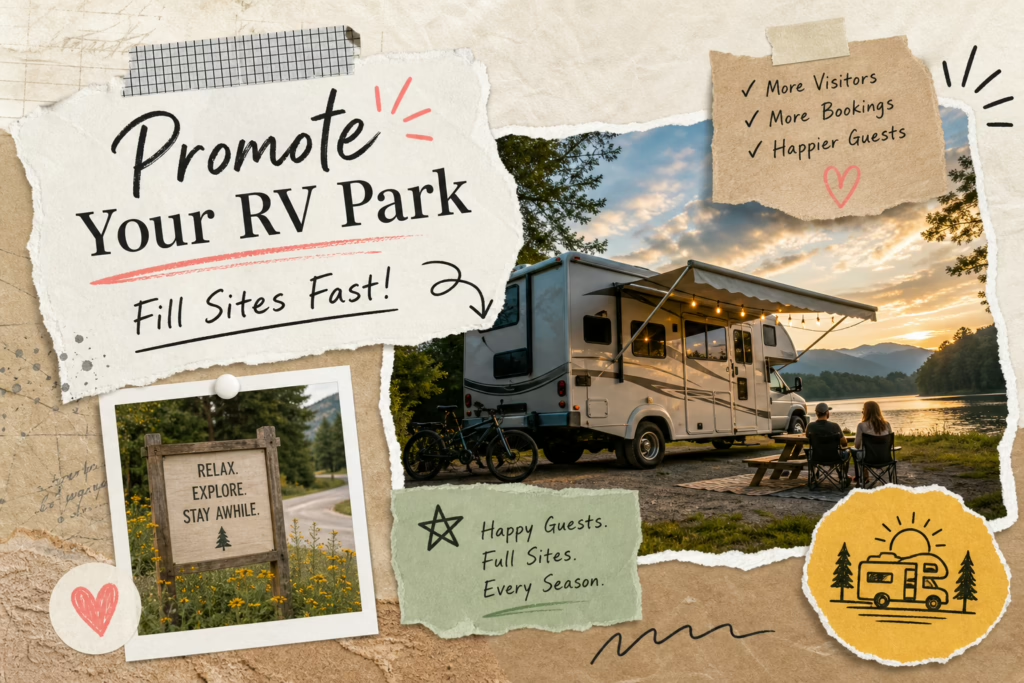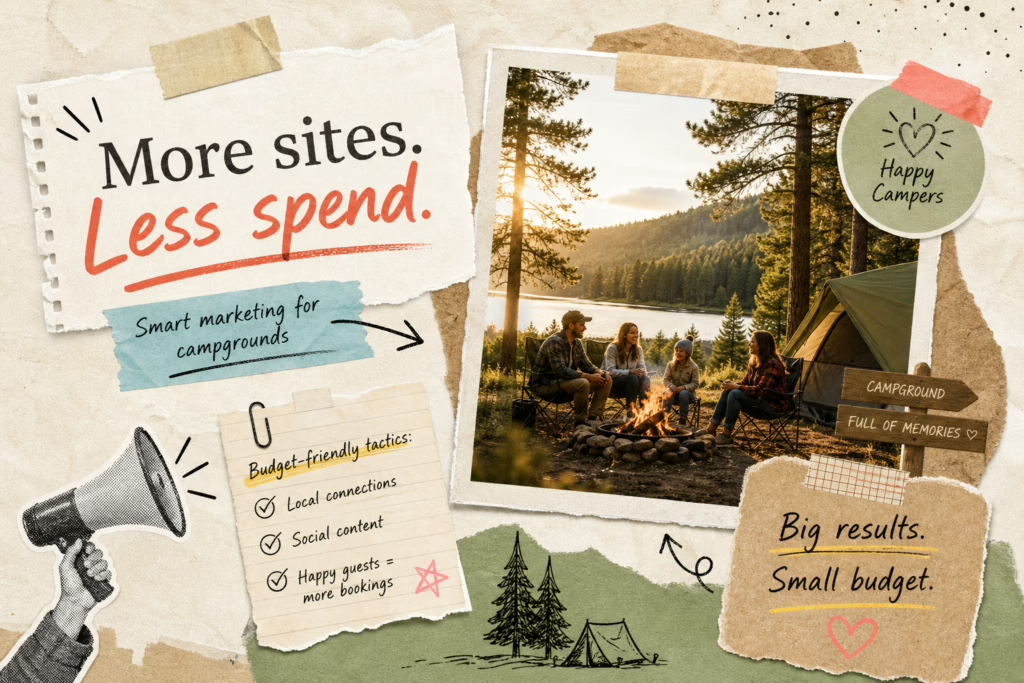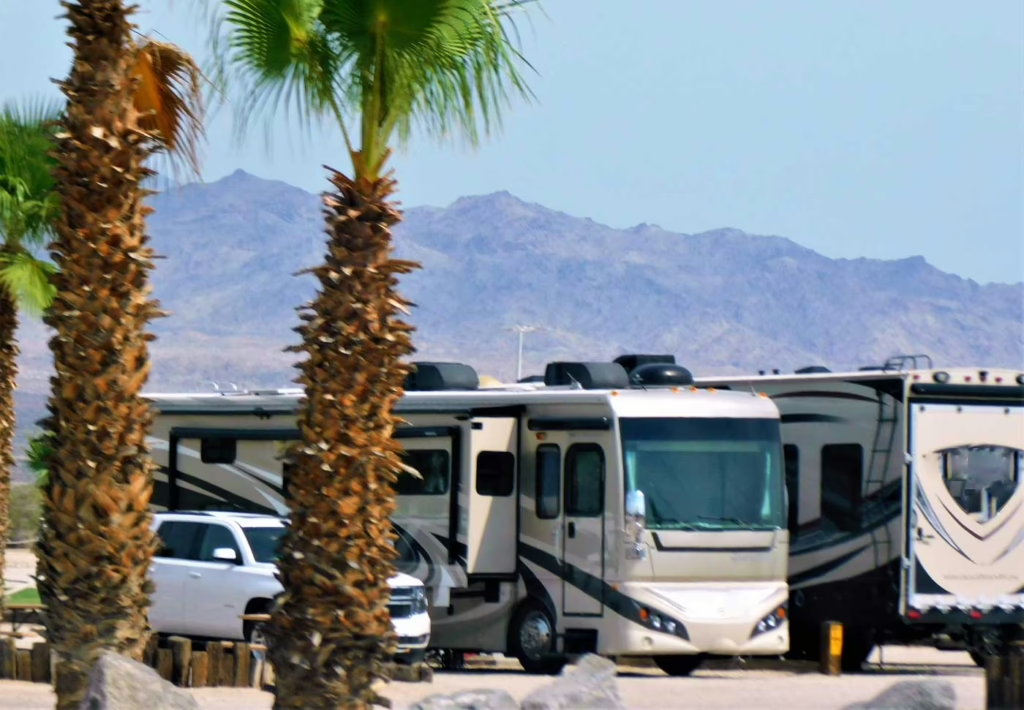
Picture this: it’s Tuesday night, you’re refreshing your reservation dashboard, and at the coffee shop, you overheard that the campground in the next county over just sold out its last waterfront site for the Fourth of July weekend. Your sites? Still open. Still waiting. It doesn’t feel like a fair fight, and honestly, it isn’t, but not for the reasons you think.
This isn’t a price problem or a location problem. It’s a visibility, appeal, and conversion problem. According to keyword research data, “campground near me” pulls over 1.2 million U.S. searches every single month, with “RV parks near me” adding roughly 180,000 more on top of that. Campers are out there, searching on their phones right now, planning trips months ahead. The question isn’t whether demand exists. The question is whether they’re finding you, or your competitor.
If you’ve been asking yourself how to get more campers to your campground, this three-part playbook covers the whole path: getting found, looking great, and converting browsers into booked guests. Work through all three, and empty sites start looking like a solvable problem instead of a seasonal fact of life.
Why Most Campgrounds Stay Invisible to New Campers
Most park owners assume slow bookings come down to price or location. Those things matter, but they’re rarely the real culprit. The more likely explanation: new campers simply cannot find the park at all.
Modern campers open Google on their phone, type “RV parks near [destination],” and book from the first few credible results they see. If your park isn’t ranking in those results, you’re not losing to competitors on merit. You’re not even in the race.
Industry data shows mobile “near me” searches have grown roughly 25% year over year, and the average booking window for popular sites now stretches up to six months out. That means campers researching summer trips in January are already forming opinions based on what they find online. If your listing is incomplete, your website loads slowly on a phone, or your photos look like they were taken in 2009, the decision is made before you ever get a shot.
The Three Gaps Killing Your Campground Occupancy
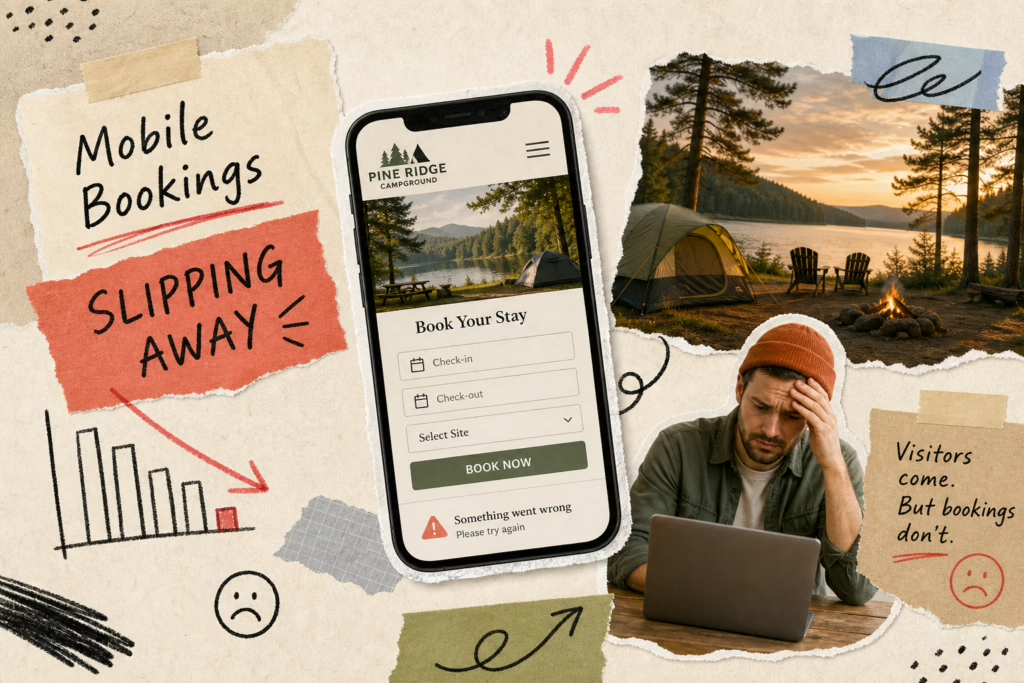
The problem almost always comes down to three compounding gaps. First, no search visibility means campers never find the park at all. Second, weak first impressions kill trust even when they do find it. Third, a friction-heavy booking process loses people right at the finish line.
Each gap makes the others worse. A park with stunning scenery and great reviews can still lose bookings to a mediocre competitor that has better photos and a mobile-friendly site that actually loads fast.
What the 60, 70% Occupancy Benchmark Tells You
Industry reports from sources like RoverPass and Campspot, and state association benchmarking (see the 2023 benchmarking report), place the national annual occupancy average for RV parks between 60% and 70%, with well-marketed parks hitting 85, 100% during peak summer months. Shoulder seasons typically land around 50, 65%, and winter varies widely by climate and region.
Parks consistently below 60% annually are often dealing with at least one of the three gaps above. Parks above 70% have frequently figured out at least two of them. The path from one group to the other isn’t a mystery, it’s a checklist.
How to Get More Campers to Your Campground: Start With Visibility
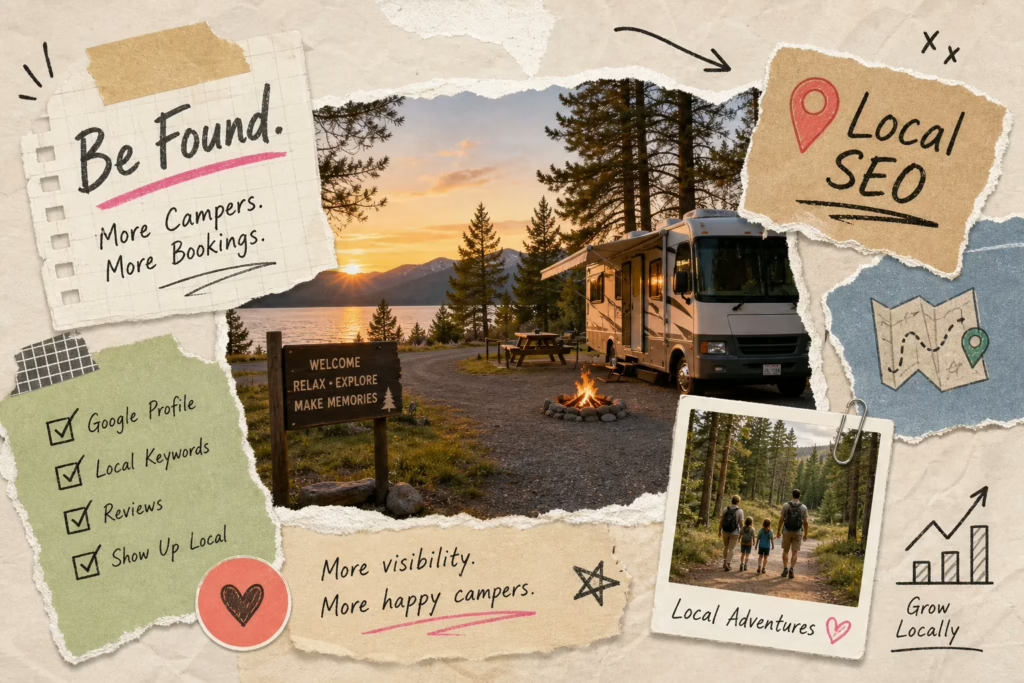
New campers aren’t stumbling across parks through word of mouth alone. They’re using Google, Google Maps, and OTA platforms like Hipcamp. This first step is about showing up where the search is already happening, not trying to redirect it.
Claim and Optimize Your Google Business Profile (Free and High-Impact)
A fully optimized Google Business Profile is the single fastest free win available to any campground owner. Complete your categories, nail your hours and listed amenities, upload several high-quality photos refreshed regularly, respond to every Q&A, and reply to every review.
According to Google Business Profile research, listings with high-quality images receive 35% more clicks than those without. A complete, active profile dramatically improves your chances of landing in the local map pack for searches like “campground near me”, which peaks hard from May through September every year.
Local SEO: The Longer Game That Pays Off Year After Year
Local SEO isn’t jargon. It’s the practice of making sure Google understands exactly where your park is and exactly what you offer. Your campground website needs pages that mention specific location phrases naturally, things like “RV park near the Smoky Mountains” or “campground in Texas Hill Country.”
Google also needs consistent NAP (name, address, phone) information across every directory and listing on the web. Schema markup, location-specific content, and citation consistency all compound over time into organic search visibility that doesn’t disappear the moment you stop paying for ads. For a practical step-by-step guide, check our SEO for Campgrounds: Rank Local, Win Direct Bookings guide, and for more tactical tips on getting found when campers search for RV parks see this local SEO primer.
OTA Listings: The Tradeoff Every Park Owner Should Understand
Platforms like Hipcamp carry over 7 million users and charge roughly 10, 15% commission per booking. That’s real money per reservation, but OTAs can deliver exposure fast, especially for parks with limited existing visibility.
The smart play: use OTAs to get in front of new guests, then focus on converting those visitors into direct bookers for future stays. Don’t lean on OTAs as your only discovery channel, or you’ll pay commission fees indefinitely on guests who should have been booking directly with you by their third visit. See Hipcamp’s listing fee details for current commission structures.
Step 2: Make Your Park Impossible to Scroll Past
Once a camper finds your listing or website, you have only a few seconds to hold their attention on mobile. They’re comparing two or three parks simultaneously, on a phone screen, from a couch. What they see in those first moments determines whether they keep reading or bounce to a competitor’s page.
How to Get More Campers to Your Campground With Better Photos and Video
Most campground photos are genuinely terrible. Dark shots, blurry images, weird angles that make sites look cramped. Campers are making a lodging decision, they want to see the actual site, the bathhouse, the view from site 14, and whether dogs can walk comfortably on the trails.
A solid photo checklist covers: the entrance sign in daylight, hookup sites with context (not just an empty gravel pad), common areas and amenities, at least one golden-hour landscape shot, and the bathhouse interior. Beyond stills, a short phone walkthrough video posted to your Google Business Profile and Facebook can help reduce booking uncertainty and give guests a clearer picture of what they’re arriving to, which tends to set more realistic expectations and lower last-minute surprises.
Reviews: How to Earn Them, Respond to Them, and Let Them Convert for You
Reviews are trust by proxy. Ask every departing guest for a Google review, verbally at checkout, on the checkout card, and in a follow-up email within 24 hours. Respond to every review, positive and negative, promptly. When you respond to a negative review calmly and professionally, future campers notice. They read how you handle complaints as closely as they read the complaints themselves.
Star rating and review volume directly affect click-through rates from Google search results. That means reviews translate to real traffic, not just reputation.
Step 3: Turn Your Website Into a 24/7 Booking Machine
Your Google Business Profile sends a visitor to your website. Your Hipcamp listing sends a visitor to your website. Your social posts send a visitor to your website. And then your website either closes the booking or sends them somewhere else. This is where visibility and appeal either pay off or fall apart.
What a High-Converting Campground Website Actually Includes
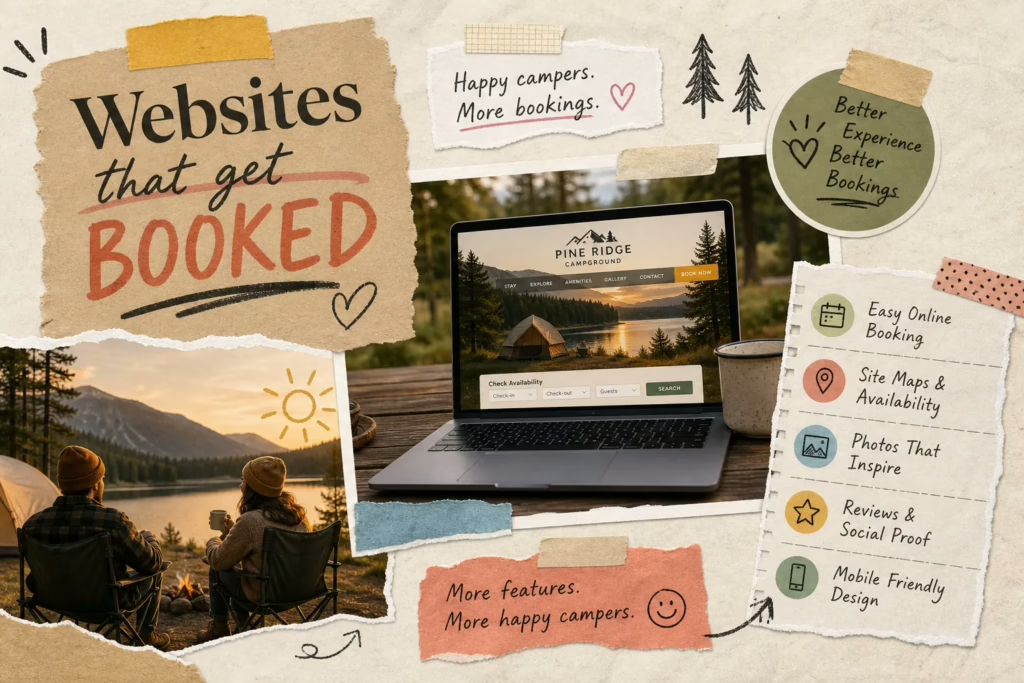
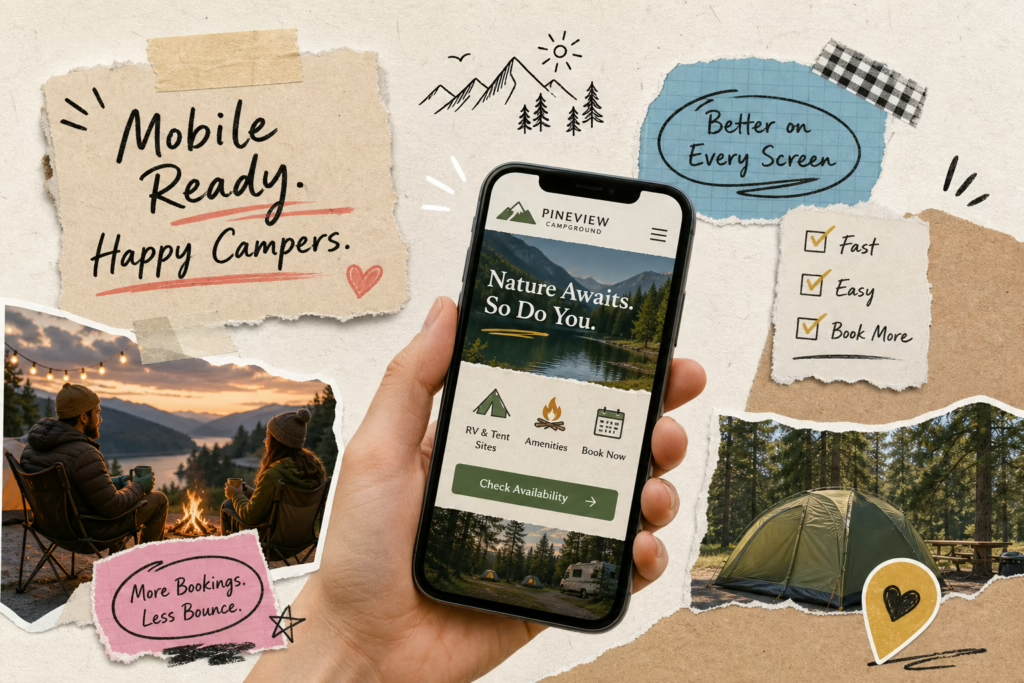
The non-negotiables: mobile-responsive design, fast load time, a clear amenities list, photos of available site types, transparent pricing, and a prominent booking button on every page. Beyond the basics, specialty pages make a real difference, pet policies, local attractions, seasonal lease info, cabin rental details, and an FAQ that answers questions guests are already Googling before they arrive. For specific layout and content ideas, see our Campground Website Design Ideas.
Campers are comparison shopping, and the park that answers every question first usually wins the booking. If your competitor’s site tells them the maximum RV length, the Wi-Fi situation, and whether the bathhouse has hair dryers, and yours doesn’t, you’ve already lost that comparison.
Why Most Park Owners Struggle at This Step (and How to Fix It)
Most campground owners aren’t web developers. Hiring a generic designer who has never booked a campsite usually produces a site that looks okay but fails to convert. Generic designers don’t know that campers want to see the hookup layout, not just a glamour shot of the entrance sign. They don’t know how to write booking-focused content that speaks to the actual decision happening at that moment.
That’s the gap RV Park and Campground Websites (Built By RVers) was built to fill. Founded by actual RVers, the team understands what guests are looking for at the moment of decision. Their model is built around a flat monthly service fee that covers the custom site build, SEO, maintenance, mobile optimization, and security monitoring, making it easier for park owners who’ve been putting off a website rebuild due to cost or complexity to take that first step. For park owners who want a campground-specialist approach without a large upfront investment, learn how to design an RV park website that drives more bookings and explore budget-friendly options.
Step 4: Fill Slow Seasons With Promotions, Events, and Loyalty
Getting found and converting new visitors handles peak season. Building a sustainable year-round business means drawing guests in during shoulder and off-season periods, when occupancy can dip well below summer peaks and the calendar suddenly feels very empty.
Events and Themed Weekends That Create New Reasons to Visit
Themed weekends give campers a reason to book dates they wouldn’t have otherwise considered. Stargazing nights, fishing clinics, fall foliage weekends, family scavenger hunts, wellness retreats, all of these attract guests who are choosing an experience, not just a campsite.
Promote events four to six weeks in advance through your website, email list, social media, and local event calendars. Events also generate shareable content: attendees post photos, tag the park, and create organic social proof that works long after the weekend ends.
Email, Referral Programs, and Loyalty Tactics That Keep Guests Returning
The cheapest guest to acquire is one you already have. Collect emails at check-in and send a simple monthly newsletter with upcoming events, seasonal deals, and local tips. A referral program, something like “bring a friend, both get 10% off your next stay”, costs almost nothing and turns existing guests into a free marketing channel.
Loyalty perks like early access to reservations or a complimentary night after several stays increase repeat visit rates and give you more predictable occupancy heading into slower seasons.
Your 90-Day Action Plan: How to Get More Campers to Your Campground
Three 30-day sprints, each building on the last. No overwhelming overhaul, just a sequenced plan that compounds.
Days 1, 30: Fix the foundation. Claim and fully optimize your Google Business Profile. Audit your website for mobile speed and booking friction. If your site is broken, slow, or outdated, contact our team to start a proper rebuild. Set up a listing on Campendium if you’re not already there.
Days 31, 60: Build visibility and social proof. Start a simple review-request process for every departing guest. Shoot a new round of photos and at least one short walkthrough video. Create or update your email list opt-in and send your first newsletter. Plan your first themed event for the following four to six weeks.
Days 61, 90: Measure and double down. Check Google Business Profile insights: search impressions, direction requests, and website clicks. Track direct booking conversion week over week. Evaluate which OTA channels are generating real traffic versus costing commission without return. Double down on what’s working.
By day 90, the goal is a campground that gets found in search, looks credible at first glance, and has a website that closes the booking, without the owner doing extra work every time.
Frequently Asked Questions
How do I get more campers to my campground?
Start with the three core gaps: visibility, appeal, and conversion. Optimize your Google Business Profile so you show up in local search results. Upgrade your photos and add a short walkthrough video so first impressions convert. Then make sure your website is mobile-friendly, loads fast, and has a clear booking path. Layer in OTA listings for new-audience reach, then build email and referral programs to turn first-time visitors into repeat guests. Work through all three areas consistently, and occupancy tends to follow.
How do I get more campers to my small campground during shoulder season?
Themed events and targeted promotions are the most reliable levers for shoulder-season bookings. Give guests a specific reason, a stargazing weekend, a fall foliage deal, a family fishing clinic, to choose dates they’d otherwise skip. Pair that with a consistent email newsletter to your existing guest list and a referral program that incentivizes past visitors to bring friends. Small campgrounds often have an advantage here: a tighter, more personal experience is easier to market as an event destination than a large resort-style park.
What’s the fastest free win for getting more campground bookings?
Claiming and fully optimizing your Google Business Profile is the single fastest no-cost move.
- Add complete amenity details
- Upload high-quality photos
- Respond to all reviews
- Check that your hours and contact information are accurate.
Research suggests that listings with strong photo sets receive significantly more clicks than incomplete profiles, and that appearing in the local map pack for “campground near me” searches can drive significant reservation traffic with zero ad spend.
Ask every guest to leave a review. Check out this guide to getting more campground reviews.
The guests are already out there searching, over a million times a month, someone is looking for exactly what you offer. The only question left is whether your park shows up, looks trustworthy, and makes it easy to book. Fix those three things, and the reservation dashboard stops being something you dread refreshing. Ready to put this plan in motion? Start with Day 1 of the 90-day checklist above, or contact our campground websites team to fast-track the foundation.