If you want to consistently increase reservations at your RV park or campground, the solution isn’t more guesswork or scattered marketing efforts—it’s building a system that attracts outdoor enthusiasts and potential campers seeking a variety of outdoor accommodations, converts them efficiently, and maximizes revenue from every booking.
Cut to the chase: How do I get more reservations for my RV park?
The most successful RV parks focus on three core areas:
- Driving visibility (Getting more people to find your park)
- Improving website conversion (Making people who get to our website want to make a reservation, and making it as easy as possible for them)
- Optimizing operations (Make your guest experience so great that campers want to come back and recommend your park to their friends.)
For those who’d like to dig into a bit more detail (and not currently getting an emergency call about a backed-up sewer), this guide walks through each step with practical strategies you can implement immediately.
1. Driving Visibility (Getting More People to Know About Your Park)
Optimize Listings For More Reservations
Your listings are often the first place people discover your park, so they need to be clear, searchable, and accurate in describing your RV sites, tent sites, and other outdoor accommodations, such as glamping resorts and private campgrounds. Use headlines that match how people actually search, like “family-friendly RV park near [location]” or “full hookup sites near [attraction].”
Once they land on your listing, don’t be vague; spell out exactly what you offer, including hookups, site types, and amenities. Highlight that your park is directly bookable and make it easy for travelers to book campsites. The more specific you are, the easier it is for someone to decide your park fits their needs. It’s also important to keep your rates and availability updated regularly so you don’t lose bookings due to outdated or incorrect information.
A well-crafted listing with SEO-friendly descriptions and high-quality photos can significantly improve your RV park’s ranking in search results, leading to more bookings. Optimize for local search by using location-based keywords on your website, and ensure your website is mobile-friendly and optimized for search engines.
Core “Must-Have” Listings (Highest Impact)
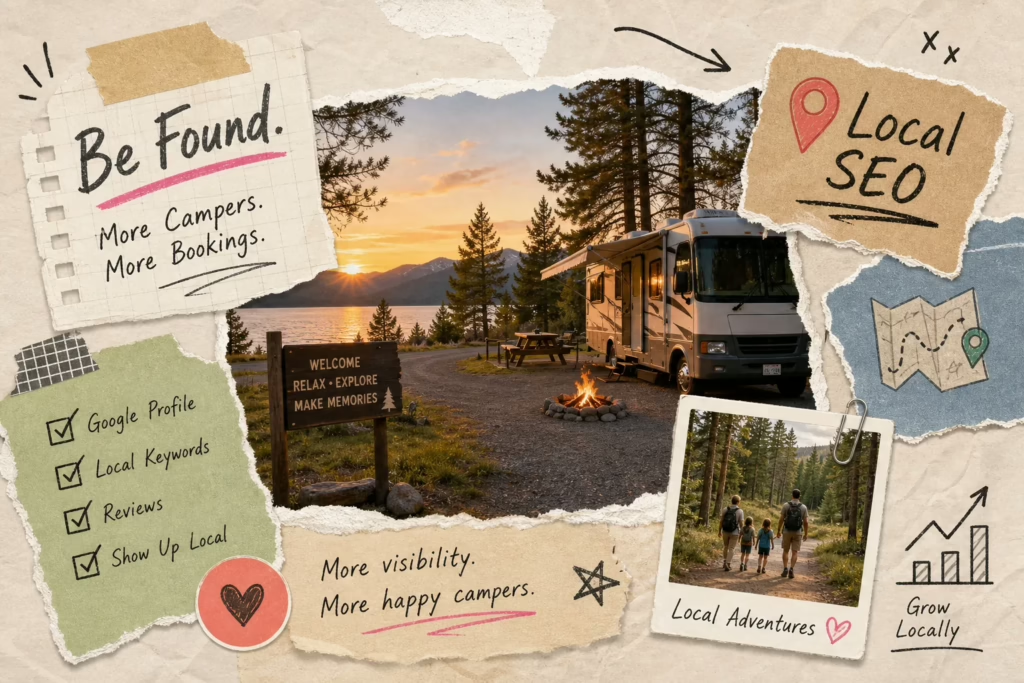
- Google Business Profile – Your most important listing for showing up in Google Maps and “RV parks near me” searches. Appearing in Google Search and Google Maps is crucial for attracting travelers searching for RV parks online.
- Tripadvisor – Major review site travelers use to compare options before booking.
- Yelp – Popular platform, especially with North American travelers checking ratings and experiences.
Keep in mind that 60% of bookings can come from mobile users, so optimizing your listings and website for mobile is essential.
RV-Specific Platforms (High-Intent Traffic)
Many campers rely on these platforms to find and book RV sites and tent sites, making it essential to list your park to reach a broader audience:
- Campendium – Trusted by RVers for detailed reviews and real-world site conditions.
- The Dyrt – Popular with families and younger campers, strong for discovery.
- RV LIFE Campgrounds – Large database (formerly RV Park Reviews) with loyal users.
- Good Sam Campgrounds – Key if you offer Good Sam discounts and want to reach members.
- AllStays – Go-to resource for experienced RV travelers planning routes and stops.
- Passport America – Offer 50% to incentivize RVers who haven’t visited to try your campground
Booking Platforms (OTA or Online Travel Agency Style, if you have cabins, glamping, or a motel)
- Airbnb – Ideal if you offer cabins, glamping, or non-traditional stays, and listing on specialized directories can help attract luxury travelers seeking upscale outdoor accommodations.
- Booking.com – Strong global reach for international travelers.
- Expedia – Broad exposure to travelers booking across multiple channels.
Directories To Drive Direct Bookings
Directories are a big driver of traffic, especially for travelers who are still figuring out where to stay. Focus on platforms that match your audience, particularly family travelers, US Travelers, or RV-specific sites. The key here is consistency; your information should be the same everywhere.
Participating campgrounds in rate parity programs benefit from increased visibility and revenue, as these programs ensure your rates are consistent across all platforms. Maintaining rate parity not only builds trust with travelers but also helps your RV park stand out in marketing bundles and promotional initiatives.
Even more important is making sure your availability is synced across all listings so you’re not dealing with double bookings or inaccurate calendars.

Google Business Profile
Your Google Business Profile is one of the easiest ways to gain visibility. When someone searches “RV parks near me,” this is often what they see first. Make sure your profile is claimed, verified, and fully filled out with accurate contact info, hours, and directions. Keeping your profile updated helps your park appear higher in search results, making it easier for travelers to find and book with you.
Add photos and keep posting updates about events or promotions to stay active. Highlight local attractions in your profile to attract more travelers by showing what’s nearby and enhancing their experience. A well-maintained profile helps you show up more often and builds trust before someone even clicks through to your site.
Ask your campers to leave Google Reviews, and be sure you actively reply to those reviews: Thanking the positive reviews and offering negative reviews the opportunity to call the office to discuss. Use on-site signage with QR codes to make it easy for guests to leave reviews during their stay.
Make sure your campground website service package includes automatically pulling new Google reviews and adding them to your website’s homepage. Here are some tips for getting more campers to leave reviews for your campground.

How you respond to negative reviews for your campground is more important than the review itself
High Quality Photos, Virtual Tours, And SEO
Photos and videos don’t just help conversion—they also help you get found. Upload a solid set of high-quality images that show your campsites, amenities, and surroundings. Include photos of real experiences, especially families enjoying their stay. High-quality visuals not only attract more bookings but also contribute to guest satisfaction by setting accurate expectations.
Leverage virtual tours and drone footage to allow potential guests to explore your park online, showcasing amenities and the surrounding scenery. Encourage user-generated content, like guest photos and reviews, to enhance your park’s credibility and trustworthiness.
Adding a short virtual tour video can increase engagement and help your listings stand out. Pair that with basic SEO—using location keywords and relevant terms—and you’ll bring in more qualified traffic over time.
Email Marketing For Direct Bookings
Email isn’t just for repeat or seasonal guests; it can also help keep your park top of mind so someone thinks of you when deciding where to stay in your area.
By collecting emails by offering a coupon on your website, requesting it during booking confirmation, or at check-in, you can send seasonal promotions, event announcements, and reminders that bring people back or encourage them to finally book. Include trip planning tips, information about upcoming events in your area, and details about special events or themed weekends at your RV park to make your emails more engaging and drive more reservations.
If you’re a seasonal campground, it’s essential to have a list of your previous campers’ email addresses and send out a “We’re now taking reservations for next summer” email when your reservations open.
Over time, this becomes a reliable source of direct traffic without relying on third-party platforms.
We’ve created a guide of some of the best local advertising ideas for your RV Park here. We talk about partnering with local businesses to build brand awareness so locals will also refer their friends and family visiting the area.
Social Media for Campgrounds
We know you probably don’t have time to post every day on every social media platform. That’s ok, but you need to at least grab your campground name on each platform, and create a post that says, “We’re not active on this channel. Come join us on Facebook or call the office to make a reservation: 555-6789”
For the channels you will be active on, post consistently so visitors see new content each time they visit. Regularly, it could be once a week (it doesn’t have to be daily), but it does need to be consistent and current, and you need to be active on at least one channel.
You’ll also want to monitor the other channels once a week to check for comments, questions, and messages, and hit the “Share” button if someone visited your campground and posted about their visit.
If you are ready to dig deeper into using social media for your campground, here’s our complete guide to campground social media.
2. Improving Conversion (Turning Website Visitors Into Bookings)
If the goal of advertising is to get visitors to check out your RV park website, then the goal of your website is to create more bookings. After all, a thousand visitors to your website means nothing if your website doesn’t convert them to paying campers. Too many campgrounds are great at advertising, but terrible at making the most of the traffic that the advertising draws.
Check our ExampleCampground.com to see what your campground website could look like with our service.
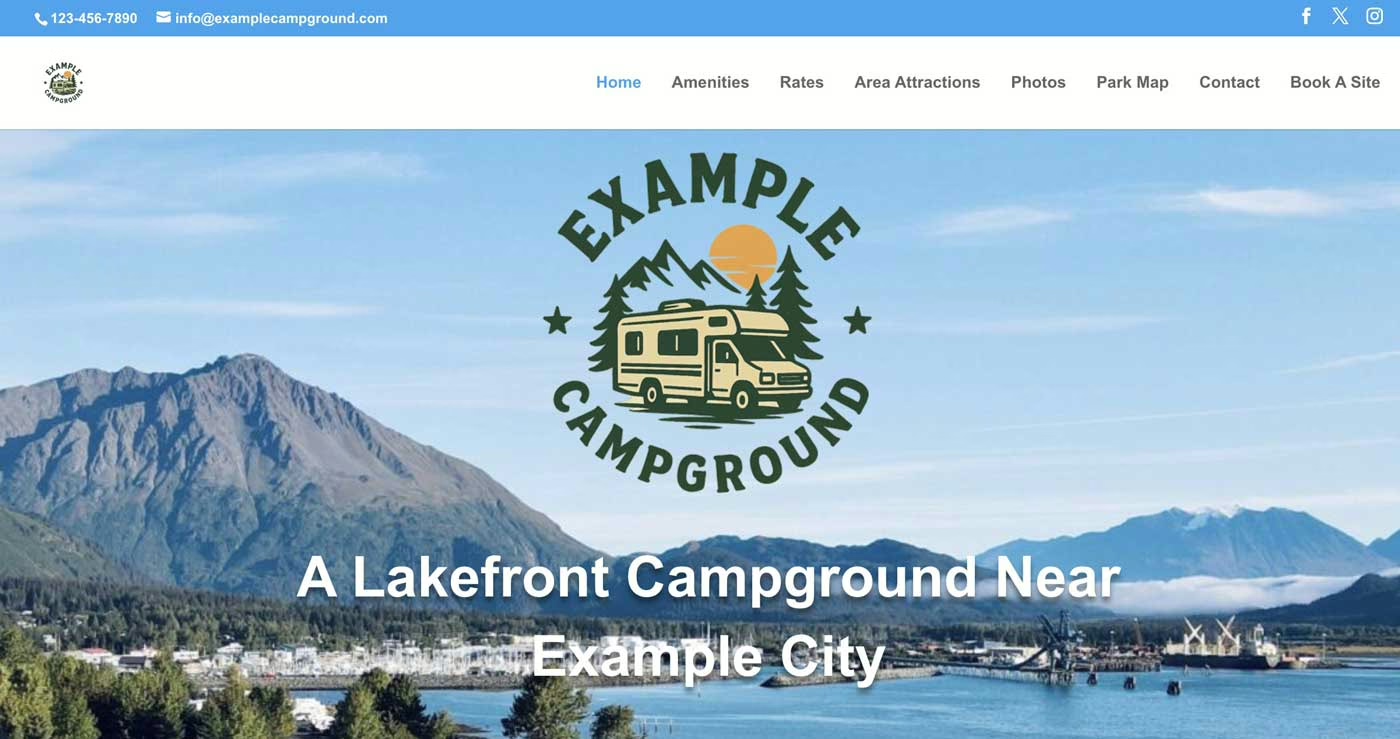
ExamplCampground.com is a working model so you can see what your campground website could look like
Quick Wins To Boost Bookings
Start by looking at your current booking process. Walk through it yourself and see how easy it actually is. If it takes too long to find availability, if pricing is unclear, or if there are too many steps, people will drop off. Campers prefer to reserve their spots in advance, especially at popular destinations or during peak seasons, so your process should make advance booking straightforward and stress-free.
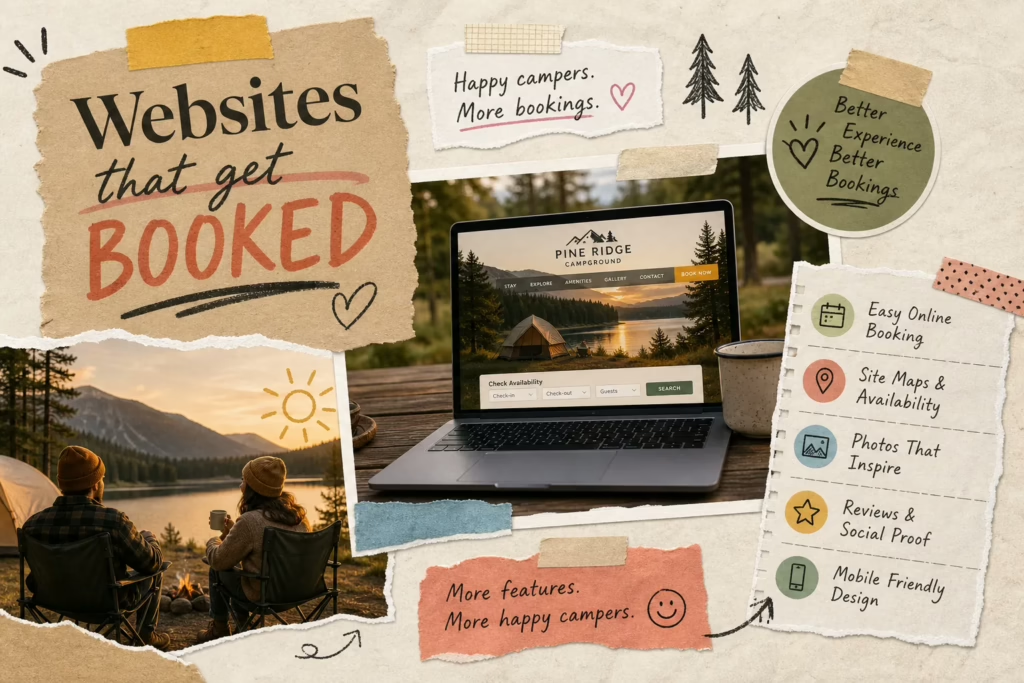
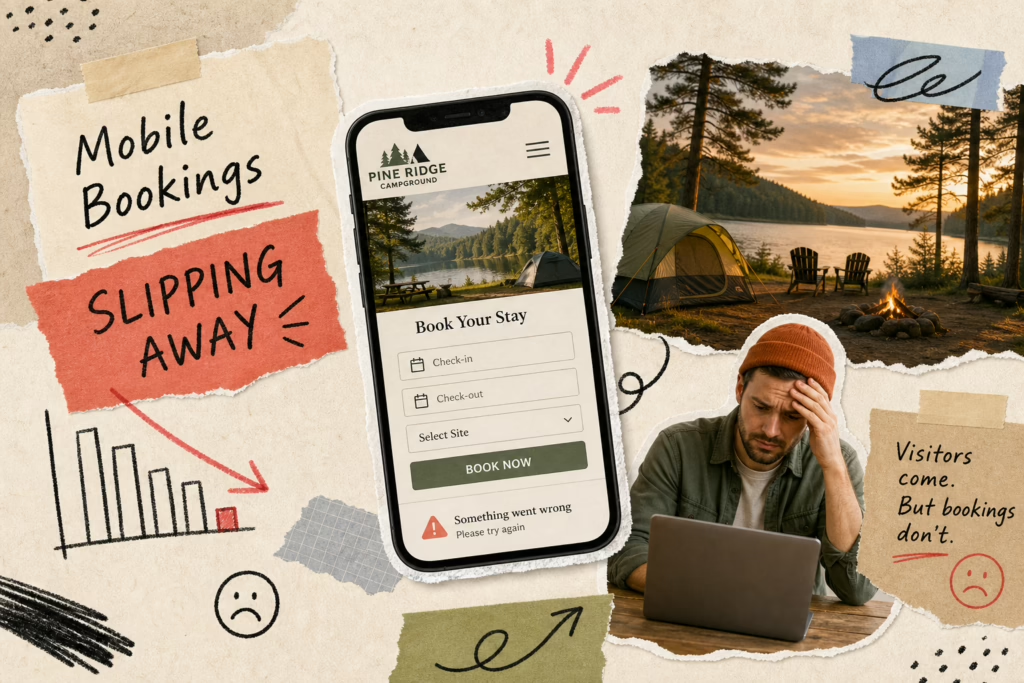
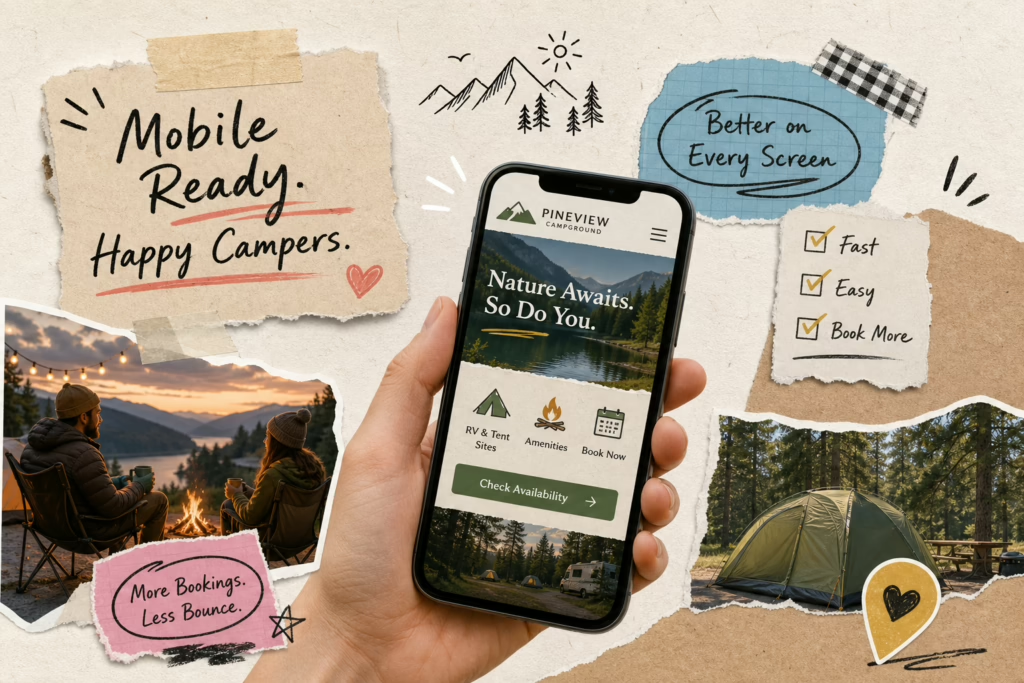
Fixing mobile issues is especially important because so many bookings are made on phones. Make sure your site loads quickly, buttons are easy to tap, and checkout is simple. Also, ensure your rates are competitive to attract more bookings and remain appealing in the market. One of the easiest wins is adding a clear “Book Now” button on your homepage and throughout your site that takes people directly to the availability page.
Improve Guest Experience & Guest Engagement (Pre-Booking)
Even before someone books, small details can make a big difference. Clear information about your park, simple navigation, and easy-to-understand policies help reduce hesitation. Adding helpful content like FAQs, local recommendations, and details about collaborations with local businesses, like farms, wineries, or breweries, can answer questions before they become barriers. Highlighting bundled experiences and local attractions not only informs guests but also makes it easier for someone to commit to booking.
“Book three nights for a complimentary wine tour at ABC Vineyard” will give your guests more to share with their friends on social media or at a dinner party about their weekend away. The Vineyard will be happy when a guest picks up a few bottles at their store at the end of the tour, and your campers will have stayed for 3 nights (instead of the most common 2-night weekend – Friday to Sunday).
Make it easy for someone to click your phone number on your website and contact the office if they have a question. Remove any barrier that could make it more difficult for them to complete their reservation.
High Quality Photos, Virtual Tours, And Conversion
Once someone is on your site, visuals play a huge role in whether they book. Strong photos that clearly show your sites and amenities reduce uncertainty, while images of families and real guest experiences help people picture themselves there.
A short video or walkthrough can take this even further by building trust and making your park feel more real, and it also gives you video content to share and pin on your social media channels for campers who find them before your website.
Reviews and Trust Signals
Reviews are one of the biggest factors in whether someone books. Make sure you’re actively collecting reviews and responding to them. Encourage guests to leave reviews by sending post-stay emails, which can significantly improve your social proof.
Sharing positive reviews on social media platforms can further build trust with potential guests and attract more bookings by showcasing real experiences. When potential guests see that others had a good experience and that you’re engaged and responsive, it reduces hesitation and builds confidence in choosing your park.
Google reviews need to be displayed prominently on your home page. Including these is important for designing an RV Park website that drives more bookings.
3. Optimizing Operations (Creating an Experience That Drives Repeat Bookings)
You paid for advertising or formed partnerships that drove traffic to your website. Your website is firing on all cylinders, so it’s done a good job of converting people considering booking to campers, and now that those campers are ready to visit your campground, you’ve got one more step that can help fill those campsites: Delivering on your guest experience so they want to come back, and they want to bring their friends.
Tools And Systems For Campground Operators
Behind the scenes, the right systems make everything run smoother for campground owners. Integrating an online booking system with your property management software streamlines campground management and enhances guest engagement. Connecting your property management system to your booking channels allows you to manage everything in one place.
Real-time availability syncing prevents double bookings and keeps your listings accurate everywhere. Automated confirmations and follow-ups save time and improve communication with guests without adding extra work. Additionally, automated software can provide customized pricing plans for RV parks, enabling you to set different pricing tiers based on neighborhood data and seasonality.
Use Dynamic Pricing As a Tool To Boost Bookings
Pricing is one of the biggest levers you have. Instead of using the same rates all the time, adjust them based on demand, seasonality, neighborhood data, and upcoming events. Automated software can provide customized pricing plans for RV parks, allowing you to set different pricing tiers that reflect these factors.
Raise prices when demand is high to maximize revenue, and use short-term discounts to fill last-minute gaps. Using dynamic pricing solutions helps ensure your rates remain competitive in the market, attracting more customers while balancing occupancy and profitability, rather than leaving money on the table.
This doesn’t have to be automated in a booking system. Even something as simple as offering sales during low-traffic weeks or having a “shoulder season” price can help you maximize visitor numbers.
By creating a discount on short notice, you have the option of realizing you’re underbooked in the near future, and sending out an email to everyone who has booked with you before offering a Buy-1-Get-1 free night this weekend on available sites, or a stay 5 nights and get 2 free nights option for the first week of summer, for instance.
Improve Guest Experience & Guest Engagement (On-Site)
Once guests arrive, your goal is to give them an experience worth repeating. Make check-in simple and stress-free with clear instructions, especially for late arrivals.
A welcome packet with a map, activity ideas, and local tips should also highlight your campground’s amenities and provide easy access to park services and local attractions. Small touches like this can turn a good stay into a great one. We’ve visited a few RV parks as full-time RVers, and always appreciate a single page of local recommendations for coffee shops, a few different types of restaurants, a pizza place if we feel like getting delivery, or a recommendation for the nearest grocery store (or where to get propane if it’s not available on site).
Consider creating packages that offer special deals, like stay 6 nights and the 7th is free, to incentivize longer stays and offer a discount to campers staying a full week. Mention that package every time guests check in (even if they’re only planning to stay a few days) because knowing about that discount may change their mind.
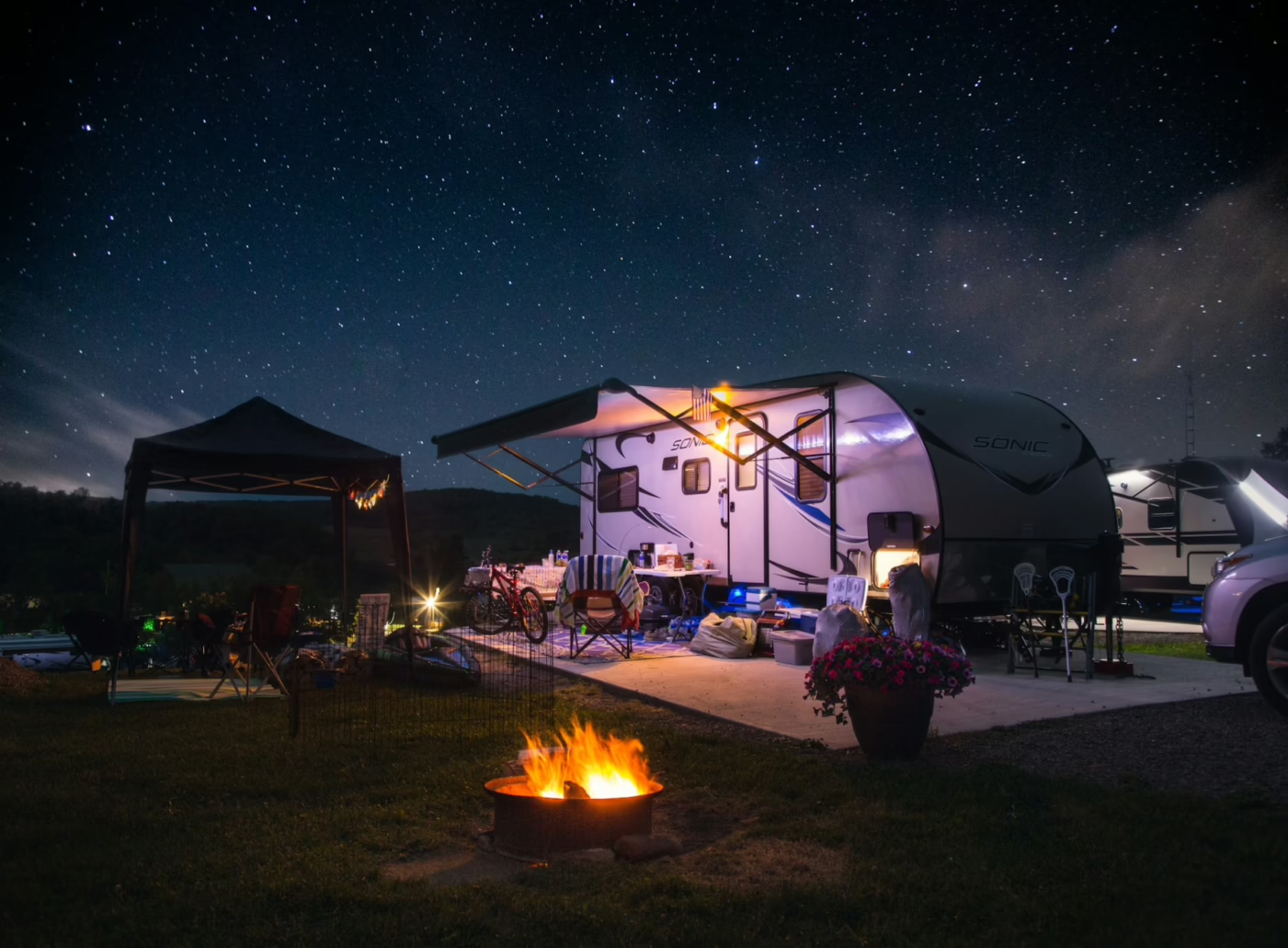
Create a great experience for your campers to get more reservations for your RV park
Guest Engagement Tactics
Creating memorable experiences is what brings people back. Hosting special events and themed weekends can make an RV park stay more appealing, providing unique experiences that encourage repeat visits.
Offering weekend activities for kids, hosting themed family events, or running simple loyalty programs gives guests a reason to return.
Especially for parks that serve families, our kids enjoying a park is a big part of how we decide to extend a stay or return to a park. We’ve had parks that offer activities as elaborate as Saturday morning hay rides, or provide s’mores for kids on Friday nights, but even a crafting room makes our youngest ask if we can stay indefinitely, and organizing a board games night, or free popcorn for “bring your gaming device to the clubhouse” night for teenagers was a big hit, for a small effort.
Consider an outdoor movie night, a community campfire with s’mores provided, or permission to run through the sprinkler on the lawn at set hours with music. Often, it’s not a new water slide or expensive playground that brings families back, but the sense of community.

Offer campground smores to create community at your campground
If you’re an adults-only park, consider potlucks, karaoke, or schedule sing-alongs as simple activities that bring people together. Hire a local musician to perform in your clubhouse, and invite people who aren’t staying at the campground to come for an evening concert.
Consider establishing a referral program that benefits both you and your guests, as word-of-mouth marketing from satisfied campers builds trust and encourages bookings. Even something as basic as a repeat-guest perk or offering exclusive access to featured listings or experiences can make a difference. These experiences are also what people talk about and share with others.
Collaborate with local businesses to create bundled experiences
We talk about this idea in our blog about advertising ideas for campgrounds, but in short, work with a pizza place in town to offer a package including a free pizza with midweek bookings, or access to a local waterpark for 1-week stays, or a free weekend at your campground whenever someone buys an RV from the local dealership.
Measure Success: KPIs To Track
KPIs (or Key Performance Indicators) help you keep improving by tracking what’s working. Keep an eye on your occupancy rate, your average nightly rate, and where your bookings are coming from. This helps you understand which strategies are actually driving results so you can double down on what works and fix what doesn’t.
What are the key indicators that an advertising campaign or an event is working? Have a goal in mind, and write yourself a quick report after the event to file away so you can remember what went well and what could be improved.
Final Checklist To Get More Bookings
Before trying to scale, make sure your fundamentals are solid.
Your booking process needs to be clear and consistent – even if that’s as simple as “call the office.” If you have an online booking system, it should allow online payments and deposits so guests can reserve instantly. An FAQ page on your website can help answer common questions and remove friction. And consistently responding to reviews shows future guests that you care and builds trust over time.
Final Thoughts on answering “How do I get more reservations for my RV Park?”
Getting more bookings isn’t about one big change, but about improving each part of the process.
When more people can find you, when booking is simple and frictionless, and when guests leave having a great experience, everything starts to compound. By focusing on these strategies, your park can become a top choice for travelers planning memorable trips in the great outdoors. Focus on these three areas, keep things simple, and you’ll build a system that drives steady, reliable growth