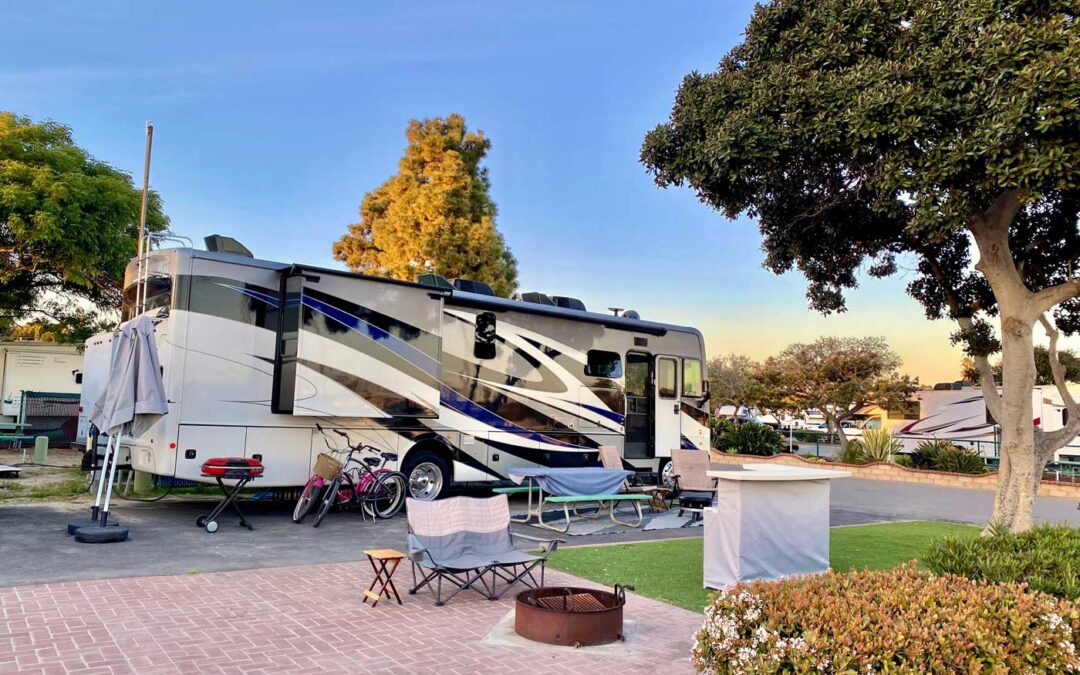
Wondering how to start a campground? This guide will walk you through the key steps, from planning and market research to securing funding and managing operations. Our team is made up of RVers, so we’re sharing our experience and knowledge to help you create a successful campground or RV park business.
Quick Thoughts on How To Start a Campground:
- Understanding market trends and customer preferences is essential for creating a profitable campground that attracts diverse groups – knowing who is likely to visit will help you choose amenities and pricing that matches their goals.
- A comprehensive business plan and thorough market research are crucial for securing funding and ensuring operational success.
- Regular monitoring and adaptability will help maintain a competitive edge and enhance the overall camping experience for visitors.
Understanding the Campground Business
The campground industry is buzzing with exciting trends and opportunities. With the rise of:
- RV parks, RV Resorts, and Campgrounds (If you’re not sure which to call your park, check out our guide to naming your campground here)
- Glamping
- Family-oriented parks
- The increase in city life means people want to take a break in nature
The demand for unique camping experiences is at an all-time high.
Campground owners can tap into this growing market of campground ownership by adopting these trends and designing sites that appeal to a wide range of groups:
- Families
- Millennials
- Full-time travelers who work on the road
- Outdoor enthusiasts
- Retirees
Campgrounds aren’t just a passion project; they can be highly profitable businesses. Achieving profitability requires a clear vision and the flexibility to adapt to market changes. As the camping experience evolves, campground owners need to stay ahead by offering amenities and activities that resonate with their target audience.
Whether starting construction on a new campground or taking over an existing one, a thorough understanding of the business is essential. This foundational knowledge will guide your decisions and help you create a campground that stands out in the competitive market.
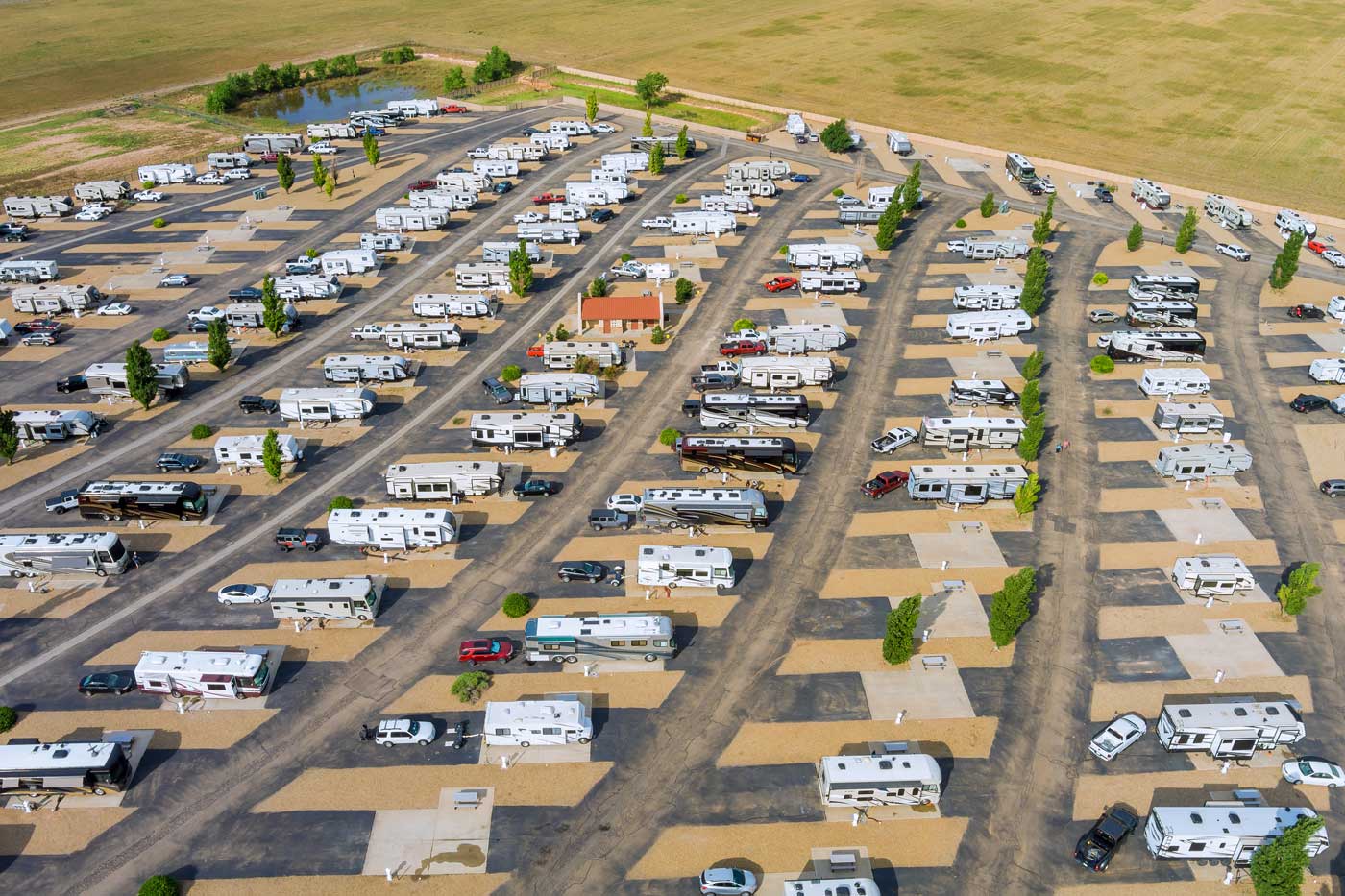
If your park looks like this, name it an RV Park. A practical place to enjoy your RV
Conduct Thorough Market Research
Thorough market research is fundamental to building a successful business. The camping industry is projected to continue growing as urban centers become hubs for young professionals seeking weekend and holiday getaways.
Local market dynamics play a significant role in shaping your campground’s offerings. Detailed market research can uncover unique customer preferences and industry gaps. For instance, the surge in demand for eco-friendly campgrounds reflects a broader consumer shift towards sustainability. Adapting to these trends attracts a diverse camper demographic.
In your market, people might be looking for a dark-sky getaway (where lights are turned off at night and you’re far enough away from city lights to stargaze) or people might be looking for a getaway close to the beach, or one that’s near a popular theme park or National park. Knowing what people in your area are looking for will help you decide which amenities to invest in and which won’t be draws for your campers.
I feel for a campground owner when we pull into a campground to see a beautiful playground that’s completely empty for the entire visit, except for our kids using it because we’re the only family in the park. We wonder whether that investment will ever pay off.
Competitor evaluation is another crucial aspect of market research
Analyzing competitors’ strengths and weaknesses helps identify areas where your proposed campground can excel. This competitive analysis informs your business plan and helps develop a strategy to stand out in the target market.
You might be the 10th campground within 5 miles of that National Park entrance, but if you’re the only one with a pool, or the only one with a pickleball court, or the only one with full hookup sites, or the only one that offers a free shuttle to the visitor center, NOW you’ve got an advantage you can advertise.
Anchor Down RV Resort in Tennessee is a great example of this. There are other campgrounds in the Gatlinburg, TN area, but anyone who has visited raves about the outdoor brick fireplace and the views from their site.
Create a Comprehensive Business Plan
A comprehensive business plan is your roadmap to building a successful campground. This plan should outline your objectives, target market analysis, and funding strategy. Understanding your target market is key to attracting the right customers and ensuring your campground’s success.
A financial plan is crucial for projecting startup costs, operational expenses, and revenue forecasts. A well-detailed business plan not only guides your operations and growth but also plays a vital role in securing funding from investors and financial institutions.

Calculate Your Startup Costs for a Campground
Starting a campground requires significant startup costs that can range from $100,000 (If you already own property and are offering space with very few amenities) to millions if you’re buying property, putting in a couple of hundred sites, and adding a pool and landscaping, depending on factors such as location and amenities.
Land preparation expenses alone can vary widely, based on bylaws and zoning, to make the site suitable for camping. Additionally, constructing each campsite can cost between $10,000 and $30,000, which will affect your overall budget based on the number of sites.
Other costs to consider include:
- Campground website: Other providers charge from $5,000 to $15,000 (but we offer $0 upfront, service-based campground websites, which is a helpful way to get your name out without a lump-sum investment!).
- Campground booking software is an optional add-on but can help your park run much smoother than taking reservations manually by phone or email.
- Infrastructure like Wi-Fi throughout the park, road lights, a clubhouse, a front office, a lit-up road sign, and public restroom facilities
- Hidden costs such as deferred maintenance
- Environmental studies
- Unexpected construction fees
- Pre-revenue salaries like maintenance and front office staff will need training ahead of your park opening
Including known and hidden costs in your budget ensures a realistic financial projection. This comprehensive approach will help you avoid surprises and ensure you have sufficient funds to cover all expenses.
Secure Funding for Your Campground
Securing funding is critical for turning your campground vision into reality. Bootstrapping, or using personal savings, is a low-risk option that allows you to maintain full control as a sole proprietor of your business. However, considering other funding sources is also important. Loans from family and friends can help cover initial costs, but clear repayment terms are essential to maintain relationships.
Business credit cards can provide necessary funds for operational expenses while helping to build a business credit history. Angel investors can offer financing and guidance in exchange for an equity share in your campground.
Crowdfunding platforms like Kickstarter can be utilized to raise funds from individual investors for your campground projects. Additionally, grants from governmental sources or private foundations can provide non-repayable funds. Local tourism boards may also have a grant source hoping to help bring accomodations for tourists in the area.
Exploring these diverse funding options will help you secure the necessary capital to start your campground.
Choose the Perfect Location
Choosing the right location is crucial for your campground’s success.
Access to highways and well-maintained roads is essential to attracting visitors and ensuring easy passage for all RV sizes. Proximity to local attractions such as parks, lakes, and recreational areas can enhance your campground’s appeal and offer additional activities for campers. Consider multiple locations before deciding which to choose.
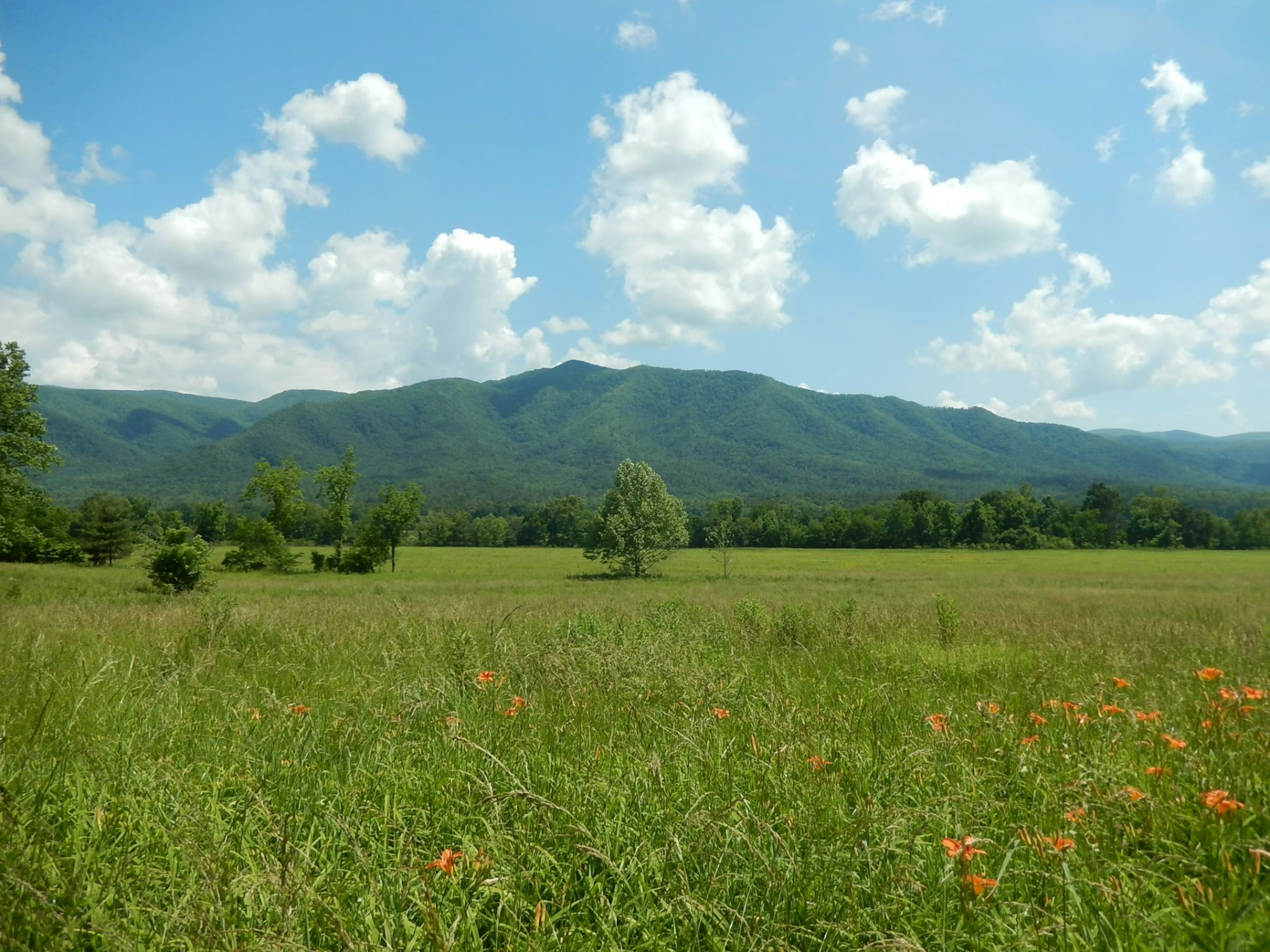
The natural beauty of a location can significantly influence potential campers’ decisions to visit. Understanding the area’s environmental regulations and potential natural hazards is also important when selecting a site. Choosing a location that balances accessibility, attractiveness, and compliance with regulations will set your campground on the path to success.
A beautiful site with a river might seem great, but it may not be the best fit if it’s located next to a noisy factory with shift work through the night, or is on a waterway that floods every spring.
Acquire Necessary Licenses and Permits to Start a Campground
Obtaining the necessary licenses and permits is critical to starting your campground. These costs will be based on your local municipality. Environmental concerns, local zoning laws, and construction permits must all be considered when choosing a location for your campground.
Typically, the licensing process involves:
- Scheduling an inspection once your campground is ready.
- Applying for a license after ensuring all requirements are met.
- Complying with all legal requirements to avoid delays and potential fines.
Be sure to ask your engineer for a complete list of requirements before starting your build.
Design Your Campground Layout
Designing your campground layout is an exciting and crucial step. Effective site planning must consider factors such as:
- Terrain
- Existing trees
- Ecological impact on the environment
- Guest attraction
- Road navigation
- Site size for different vehicles
- Natural landscape integration
- How to design roads
- Standards required by your local municipality for site sizes, number of sites per property, road widths, and building materials.
All these factors must be considered to be sure RVers choose your park, want to come back, and tell their friends to visit when in the area.
A well-planned layout merges seamlessly with the natural environment, improving the visual appeal and functionality of your campground. Strategic placement of facilities like restrooms and recreational areas improves accessibility and convenience for campers. Landscape design principles can significantly enhance the visual appeal and functionality of campground sites.
Invest in Essential Infrastructure
Investing in essential infrastructure is key to a comfortable and enjoyable camping experience. Modern campgrounds must prioritize camper comfort and convenience. Proper water and electrical supply planning is crucial to meet guest demands, requiring reliable systems that comply with health and safety standards.
Septic systems must be designed to handle waste disposal effectively. Electricity infrastructure should provide sufficient power for amenities, lighting, and safety features throughout the campground, as well as meet the needs of all of your sites if everyone turns on their AC at once on a hot afternoon.
Campground service buildings, including restrooms and laundry facilities, play a vital role in whether or not RVers will choose to stay with you again and tell their friends to visit.
Build a Marketing Strategy for your Campground
Defining your target audience, including their camping preferences and demographic details, is vital for effective marketing and service offerings. Outlining the unique selling points in your business plan that differentiate your campground from competitors is crucial.
Initial marketing and branding activities can cost between $2,000 and $10,000 (logo design, target audience analysis, social media content, and developing a comprehensive marketing strategy), but they are crucial for attracting visitors. A well-designed campground website, listings on popular online directories, and active social media use can significantly enhance visibility and engagement.
Market your campground by collaborating with local businesses
Give a free weekend at your campground for anyone who purchases a new RV from a local dealer, or offer a free pizza coupon with a weekend stay at a new pizza shop in town. Co-hosting events – like a library looking for an outdoor space for an event, or the Optimist club looking to host a summer concert series – can deepen community ties and enhance your campground’s appeal.
Here are 9 of our favorite campground advertising ideas.
Hiring and Training Staff
Hiring and training staff is crucial for smooth campground operations. Establishing an organizational structure in the business plan clarifies roles and responsibilities among the staff. An efficient onboarding process helps new employees adapt quickly and enhances job satisfaction.
- Incorporating team-building exercises during onboarding can significantly improve employee integration and foster a supportive work environment. Using technology for employee onboarding can streamline the process, making it faster and more efficient. Record training videos so your employees can review them as needed.
- Create a manual of the most common questions so employees can find the breaker box or troubleshoot that computer issue without needing your intervention each time
- Have a daily or weekly inspection checklist that needs to be completed and signed each week – like cleaning the bathroom, replying to emails from your campground website, locking the office, turning off lights, or checking that water is turned off completely at unused sites daily. Weekly tasks may include washing the front window, checking for burned-out light bulbs, or arranging for the dumpster to be emptied. These lists may be different for the front office team or the maintenance team. Monthly tasks might be checking the height of tree branches over roadways, testing all of the sites with a manual electrical tester, or planning our next month’s social media posts (if you need some ideas, here are some campground social media ideas)
Encouraging a culture of innovation among staff can lead to new ideas that enhance the camping experience and operational efficiency.
Manage Your Campground Operations
- Regular inspections and maintenance to prevent disruptions and ensure facility longevity.
- Routine inspections to prevent minor issues from escalating.
- Ensuring guest satisfaction through proactive management.
Engaging with guests and addressing their concerns promptly can help prevent minor issues from escalating into larger problems. Using management software can centralize document handling, making important policies and agreements easily accessible. Using technology, such as reservation systems, can provide real-time insights into campground operations and guest interactions, saving time.
New Campground Management Strategies:
- Engaging with guests and addressing their concerns promptly to prevent escalation.
- Using management software to centralize document handling and make important policies and agreements easily accessible.
- Utilizing technology, such as reservation systems, to gain real-time insights into campground operations and guest interactions.
- Engage with anyone who posts on social media about your campground. Thank them for sharing, reshare their best content, answer comments that have come in from facebook chat from people considering staying with you.
Partner with Local Organizations
Partnering with local organizations can greatly enhance your campground’s visibility and appeal. Here are some ways to do this:
- Network with local businesses to create beneficial partnerships that enhance marketing efforts and attract more visitors.
- Participate in local events and fairs to increase brand awareness.
- Use these events to gather contacts for future marketing.
Clearly communicating mutual benefits is essential for successful collaborations. Establishing a solid foundation with clear agreements regarding financial arrangements helps maintain transparency in partnerships.
Monitor and Adapt
Regularly monitoring and adapting business strategies is crucial for long-term success. Assessing performance using key performance indicators like occupancy rates and visitor satisfaction helps identify strengths and areas needing improvement. Analyzing customer feedback enhances the overall guest experience.
Adapting strategies based on monitoring results and customer feedback ensures your campground continues to grow and meet camper needs. This proactive approach is vital for maintaining a successful and thriving campground.
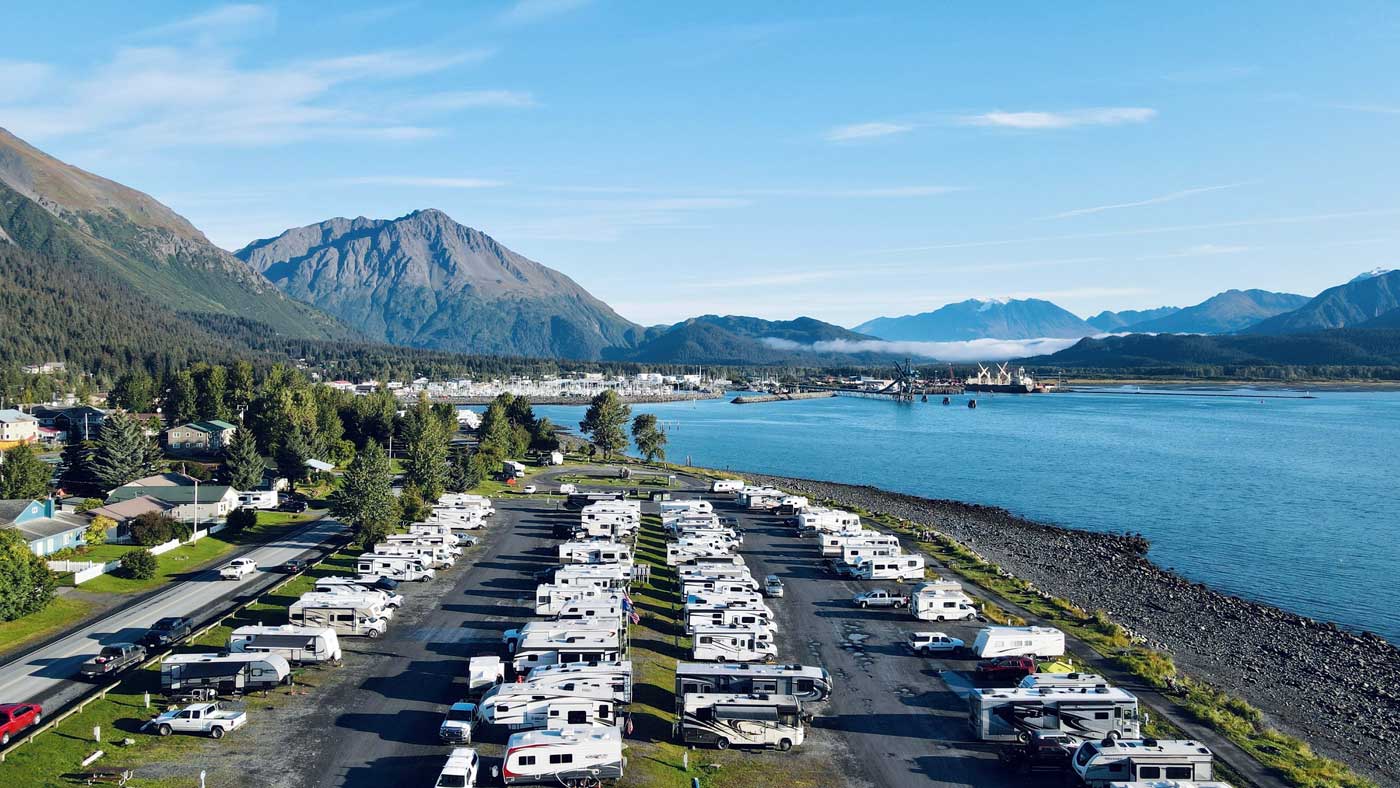
Naming your campground “Lakeshore RV Park” or “Waterfront RVPark” will give RVers an idea of what to expect when visiting your park.
Summary: How To Start A Campground
Starting a campground is an exciting and rewarding venture. By understanding the campground business, conducting thorough market research, and creating a comprehensive business plan, you’ll set a strong foundation for success. Calculating your startup costs accurately and securing the necessary funding are crucial steps in turning your vision into reality.
Choosing the perfect location, acquiring the necessary licenses and permits, and designing your campground layout are essential for creating a welcoming and functional space. Investing in essential infrastructure, building a marketing strategy, and hiring and training staff will ensure smooth operations and a memorable camping experience for your guests. Regularly monitoring your performance and adapting your strategies will keep your campground thriving.
Frequently Asked Questions about Opening a Campground
What are the average startup costs for a campground?
Starting a campground typically costs between $200,000 and $500,000, influenced by factors like location and amenities. With the right planning, you can turn your campground vision into a successful reality!
What funding options are available for starting a campground?
You have a variety of funding options at your fingertips to kickstart your campground, including personal savings, family loans, SBA loans, and even crowdfunding. Explore these avenues to turn your vision into reality!
How important is location when starting a campground?
Location is vital when starting a campground, as it directly affects accessibility and the overall appeal to visitors. Focus on areas near local attractions and natural beauty to ensure your campground thrives!
What licenses and permits are needed to start a campground?
To start a campground, you’ll need to secure licenses and permits based on environmental regulations, local zoning laws, and construction requirements. Taking these steps will set you up for success in your campground venture!
How can I effectively market my campground?
To effectively market your campground, define your target audience and highlight your unique selling points through a strong online presence and social media. Collaborate with local businesses and consider co-hosting events to enhance visibility and attract more visitors! Here are our favorite campground advertising ideas.