In today’s digital landscape, your campground’s success depends heavily on your online visibility and community engagement. With 75% of travelers using social media platforms to research and book their outdoor adventures, campground social media has become an essential component of any successful campground marketing strategy.
Whether you’re managing a family-owned campground or overseeing multiple RV parks, building a solid online presence through effective social media marketing can transform your business from a hidden gem into a must-visit destination. This comprehensive guide will walk you through everything you need to know about leveraging social media tools and platforms to increase brand awareness, drive traffic to your campground website, and build a loyal community of outdoor enthusiasts.
Why Social Media is Essential for Campground Marketing
The outdoor hospitality industry has experienced a digital transformation, and campground owners who ignore social media risk being left behind. Social media platforms influence 75% of travelers’ booking decisions in 2024, making your digital presence more critical than ever for reaching potential campers.
Campgrounds with active social media presence see 40% higher booking rates than inactive competitors. This dramatic difference stems from social media’s unique ability to showcase your property’s natural beauty, amenities, and community atmosphere in ways traditional advertising simply cannot match.
Visual platforms like Instagram and Facebook showcase your campground’s natural beauty effectively, allowing potential guests to envision themselves enjoying campfires under starlit skies, hiking nearby trails, or participating in special events. Unlike static brochures or basic websites, social media channels provide an immersive preview of the camping experience you offer.
Social media provides a direct communication channel with potential guests and builds a community around your brand. This two-way interaction allows you to answer questions, address concerns, and showcase guest stories in real-time, creating trust and authenticity that traditional marketing methods struggle to achieve.
Perhaps most importantly, social media represents a cost-effective marketing solution that reaches millions of outdoor enthusiasts daily. Compared to traditional advertising in local newspapers or travel magazines, social media marketing offers superior targeting capabilities, measurable results, and the ability to actively engage with your target audience year-round.
The camping community thrives on shared experiences and recommendations from fellow outdoor enthusiasts. When happy guests share their experiences through user-generated content, they become powerful advocates for your campground, extending your reach far beyond what paid advertising campaigns could achieve alone.
It’s important to thank users who post about visiting your campground and to share those posts on your own channels as much as possible when the content is relevant. If someone says, “Celebrated our son’s birthday at Example Campground!” then that’s a great opportunity to share their photo and wish a happy birthday.
If someone posts a photo of the sunset at your campground, that’s another great opponrtuntiy to thank them for visiting and share their photo to your channels – not only does this help you reach more people, but they’ll be encouraged by your sharing to post even more.
Choosing the Right Social Media Platforms for Your Campground
Not all social media platforms are created equal when it comes to campground marketing. Understanding where your target audience spends their time online is crucial for developing an effective social media strategy that maximizes your marketing efforts and delivers measurable results.
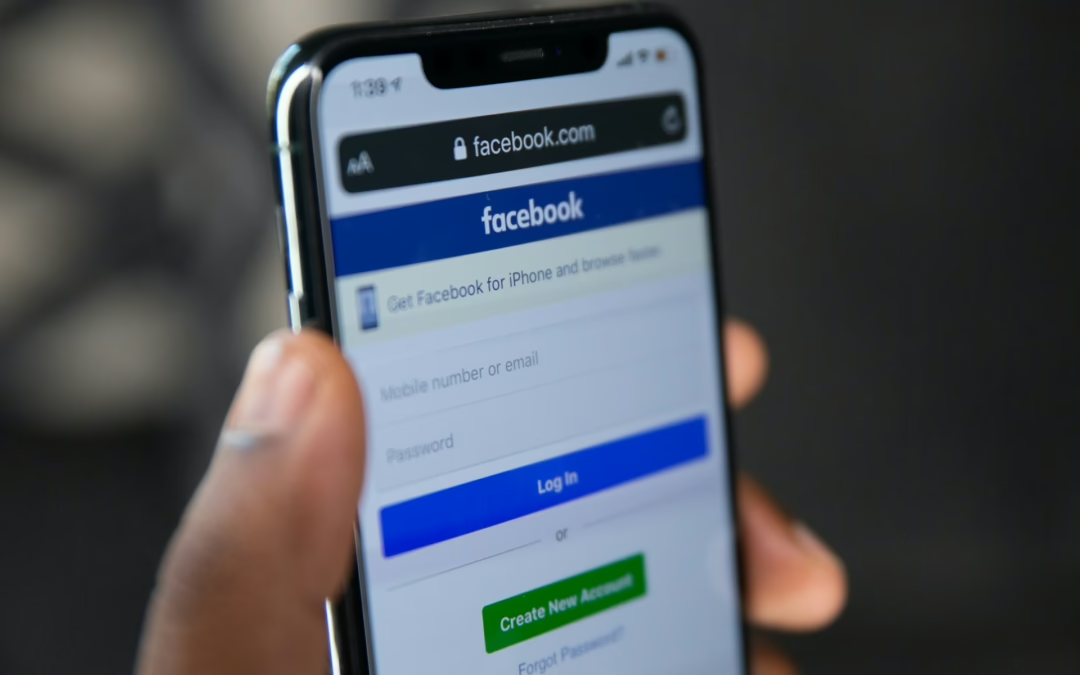
Facebook remains the top platform for campground marketing with 2.9 billion monthly users across all demographics. Its robust business features, including detailed Facebook Insights, make it an ideal social media platform for campground owners seeking to build community, promote upcoming events, and provide customer service. Facebook groups also allow you to create exclusive communities for repeat guests and local camping enthusiasts.
Instagram excels for visual storytelling with high-quality photos of sunrises, campfires, and landscapes. The platform’s younger user base (particularly ages 18-35) makes it perfect for showcasing your campground’s unique amenities and natural beauty through engaging content. Instagram Stories and Reels provide excellent opportunities to share behind the scenes content and real-time updates about your property.
Pinterest drives long-term traffic through camping inspiration boards and trip planning content. Unlike other platforms where posts have short lifespans, Pinterest content continues driving organic traffic to your campground website for months or even years. Create boards showcasing nearby attractions, camping tips, and seasonal activities to capture potential campers during their planning phases.
TikTok and YouTube attract younger campers (18-35) with short-form videos and virtual tours of your facilities. These platforms excel at showcasing the fun, adventurous side of camping through dynamic visual content that static photos cannot capture.
The key is to choose 2-3 platforms initially based on your target demographic rather than trying to be everywhere at once. Spreading yourself too thin across multiple social media accounts often results in inconsistent posting and poor engagement across all channels.
Platform-Specific Strategies
Each social media platform requires a tailored approach to maximize effectiveness and engagement with potential campers. We would recommend choosing ONE platform and learn to do it really well before expanding to additional platforms. If you’re not sure which to choose, here’s our Guide to Social Media Platforms for Campgrounds.
Facebook Strategy: Use Business Pages for event promotion, customer service, and community building. Facebook’s sophisticated targeting options make it ideal for paid advertising campaigns targeting outdoor enthusiasts within specific geographic areas.
Leverage Facebook group features to create communities around shared interests like RV travel or family camping. Post longer-form content, including detailed descriptions of local events, camping tips, and comprehensive answers to frequently asked questions about your facilities.
Instagram Strategy: Focus on Stories for real-time updates and Reels for trending outdoor content. Use high-quality visuals to showcase your campground’s most photogenic moments – sunrise over the lake, families gathered around campfires, or guests enjoying unique amenities like fishing piers or hiking trails.
Instagram Stories are perfect for sharing quick updates about weather conditions, availability, or special events happening that day since they disappear after 24 hours (whereas regular posts and reels are available for anyone to watch again in the future)
Pinterest Strategy: Create themed boards like “Family Camping Activities” and “RV-Friendly Sites” to capture users during their trip planning phase. Pin high-quality photos of your campground alongside helpful content about camping preparation, local attractions, and seasonal activities.
Pinterest’s search functionality means your content can drive traffic to your campground website long after initial posting.
YouTube Strategy: Share behind-the-scenes tours, guest testimonials, and seasonal activity highlights through longer-form video content. Virtual campground tours help potential guests understand your layout, amenities, and atmosphere before booking. Guest stories and testimonials provide authentic social proof that influences booking decisions.
What to post on instagram for my campground
Creating Compelling Content That Converts Followers to Guests
Content creation forms the foundation of successful campground social media marketing. Your content must not only engage your social media followers but also inspire them to visit your campground and become paying guests.
If you need some ideas for getting started to find out what your audience engages with, check out our free social media graphics for campgrounds.
Post high-quality photos during golden hour (sunrise/sunset) to showcase your campground’s beauty in the most flattering light. These magical moments capture the essence of outdoor experiences that potential campers seek. Invest in a decent camera or smartphone with excellent photo capabilities, and learn basic photography techniques to make your natural surroundings shine.
Share user-generated content from happy campers to build authentic social proof that influences potential guests more than branded content ever could. When guests post photos of their stays using your branded hashtags, repost their content (with proper credit) to your official social media accounts. This strategy provides fresh content while showing potential campers real experiences from fellow outdoor enthusiasts.
Create educational content about local attractions, camping tips, and seasonal activities to provide valuable content beyond simple promotional posts. Share information about the best hiking trails, fishing spots, or family-friendly activities in your area. This helpful content positions your campground as a knowledgeable resource and keeps your social media channels active even during slower booking periods.
Use storytelling to highlight unique experiences like stargazing nights or wildlife encounters that guests can only enjoy at your specific location. Share guest stories about memorable moments, unexpected wildlife sightings, or special celebrations that happened at your campground. These narratives help potential campers envision their own adventures and create emotional connections to your brand.
Maintain the 80/20 rule: 80% valuable content, 20% promotional posts about bookings and offers. While promoting availability and special promotions is important, overwhelming your audience with sales-focused content will reduce engagement and drive followers away. Focus primarily on entertaining, educating, and inspiring your audience while strategically incorporating booking reminders and special offers.

Someone sharing a photo of their campsite? They’re doing the heavy lifting for you – just share the photo on your campground page and thank them for visiting!
Content Calendar Best Practices
Consistency is crucial for maintaining engagement and building trust with your social media followers. A well-planned content calendar ensures you maintain regular posting schedules while covering all important topics and events throughout the camping season.
Plan content around camping seasons, holidays, and local events for maximum relevance to your target audience. Spring content might focus on preparation tips and early-season activities, while summer posts showcase peak-season amenities and busy campground life. Fall content can highlight foliage, cooler weather activities, and cozy campfire gatherings.
Post consistently using scheduling tools like Hootsuite or Buffer to maintain presence even when you’re busy managing day-to-day campground operations. These social media tools let you prepare and schedule posts in advance, ensuring consistent communication with your audience without the need for constant manual posting.
Quick day-to-day posting ideas:
- Weather updates
- Campfire safety tips
- Weekend activity suggestions to provide immediate value to current guests while showing potential campers the level of service and attention they can expect during their stays.
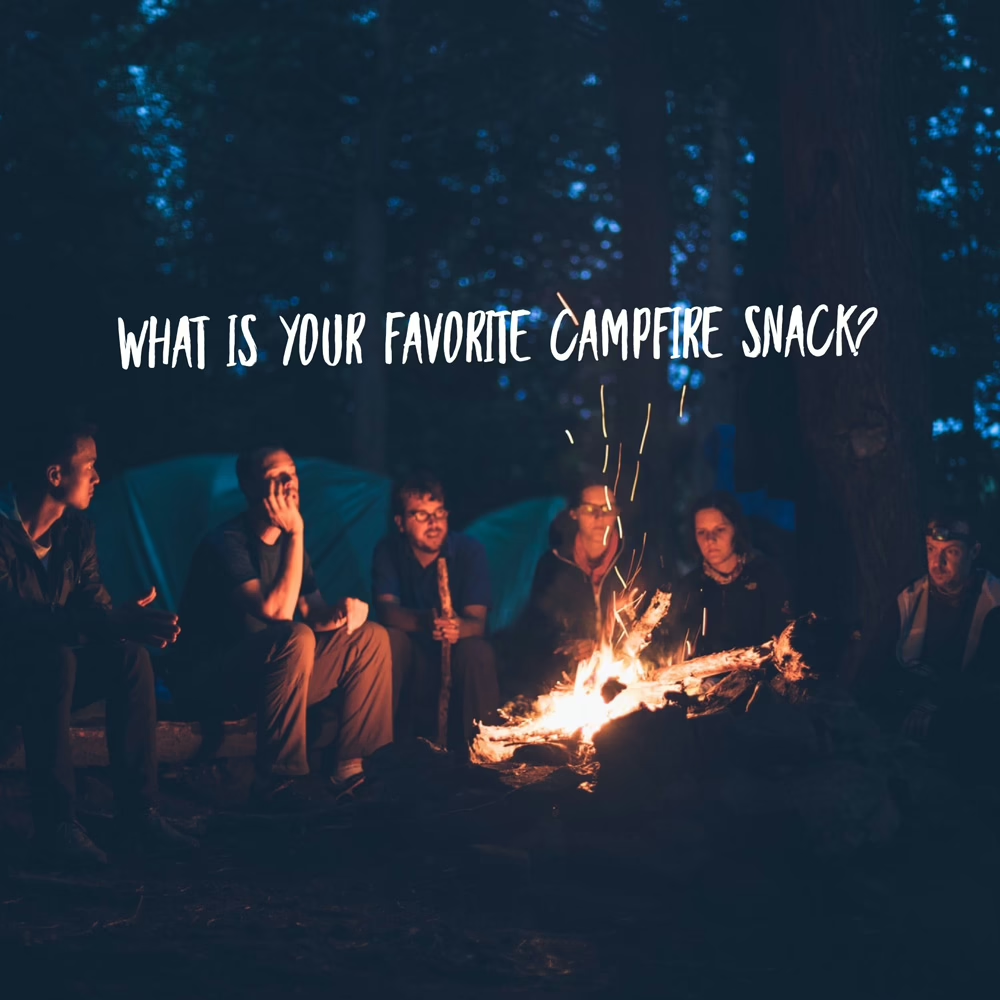
- Upcoming events like bingo, a community campfire, pot luck, or karaoke night.
Share morning posts (7-9 AM) and evening posts (6-8 PM) when engagement peaks and your local audience is most likely to see and interact with your content (before and after work). Use analytics from Facebook Insights and Google Analytics to identify when your specific audience is most active online.
If your website isn’t setup with Google Analytics (or if your web designer can’t provide you access to your analytics) then that’s a good indicator you might need to consider hiring the right website designer for your campground. Here are some tips for finding the right website designer for your campground.
Building Community and Encouraging User-Generated Content
Building a loyal community around your campground creates long-term value that extends far beyond individual bookings. When guests feel connected to your brand and fellow campers, they become advocates who actively promote your campground through word-of-mouth and social media sharing.
Create branded hashtags like #YourCampgroundName or #CampWithUs for guest photos to organize and track user generated content while building brand recognition. Make these hashtags visible throughout your campground on signs, welcome materials, and social media posts. When guests use your hashtags, their content becomes discoverable to their friends and followers, extending your reach organically.
Run contests encouraging guests to share their best camping memories for prizes such as free future stays, campground merchandise, or local attraction passes. Photo contests work particularly well for encouraging user generated content while building excitement around your brand. Set clear rules, use specific hashtags, and offer prizes that appeal to your target audience.
Feature guest stories and photos in your social media posts with proper credit to show appreciation for your community while providing authentic content that resonates with potential campers. When guests see their content featured on your official accounts, they feel valued and are more likely to continue engaging with your brand and referring friends.
Respond to all comments and messages within 2-4 hours to show active engagement and commitment to customer service. Quick response times demonstrate that real people manage your social media accounts and care about guest experiences. Use social media management tools to monitor mentions and respond promptly across all platforms.
Create Facebook groups for repeat guests to share tips and plan group camping trips, fostering deeper connections within your camping community. Private groups allow loyal customers to connect with each other, share experiences, and plan return visits together. This level of community building transforms one-time visitors into lifelong advocates.
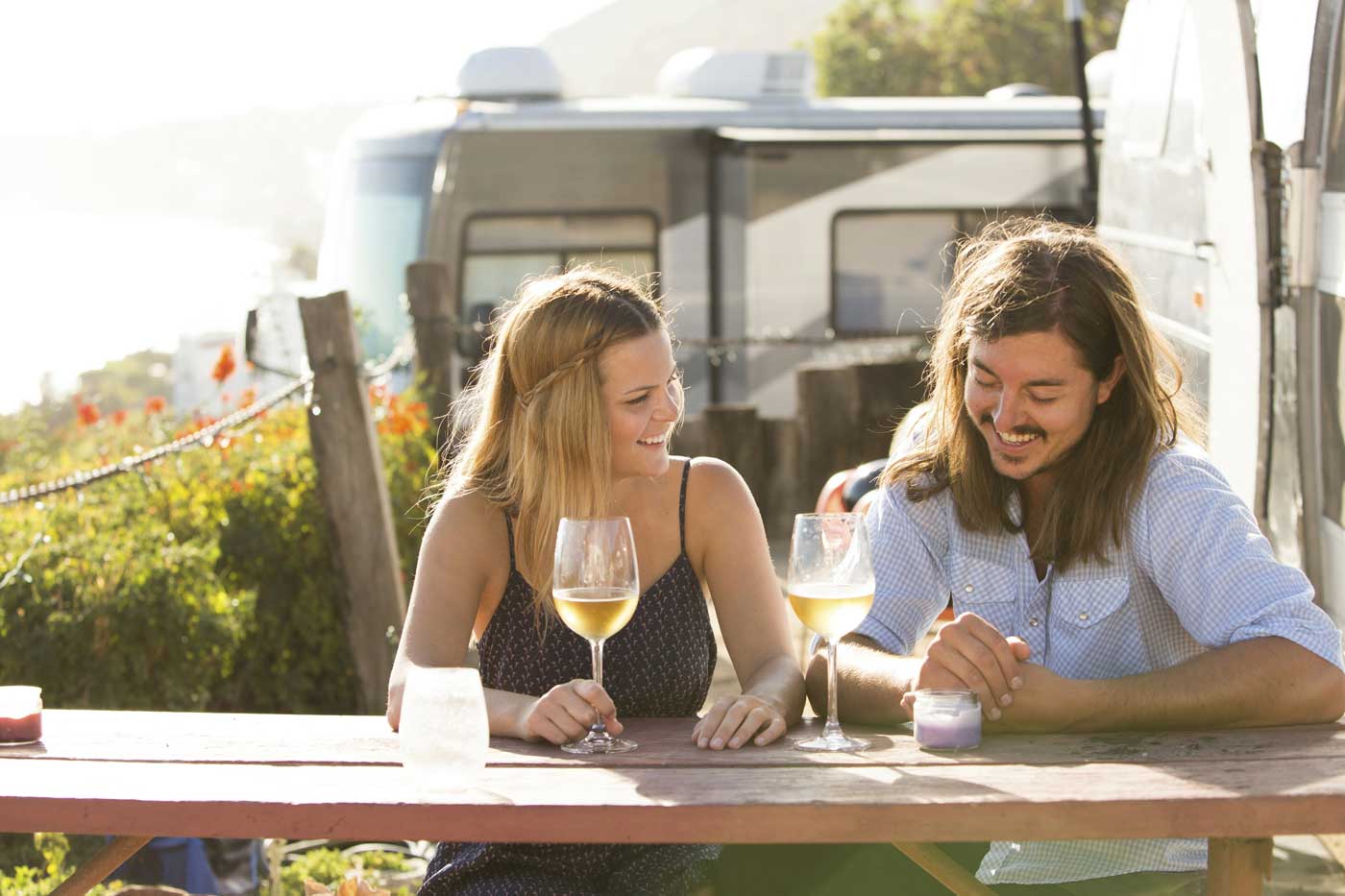
If someone takes a great photo of your campground, sharing that photo both helps you reach your audience and encourages them to share more reaching more of their friends.
Leveraging Social Media for Customer Service Excellence
Social media has fundamentally changed customer service expectations in the hospitality industry. Potential guests expect quick, helpful responses to their questions, while current guests may share both positive and negative experiences publicly. Proactive social media customer service can turn challenges into opportunities for demonstrating your commitment to guest satisfaction.
Monitor social media channels daily for guest questions, concerns, and feedback across all your active platforms. Set up notifications for mentions of your campground name, branded hashtags, and relevant keywords to catch conversations even when guests don’t tag your official accounts directly.
Address negative reviews publicly and professionally to demonstrate transparency and commitment to resolving issues. When you respond thoughtfully to criticism, potential guests see that you take feedback seriously and work to improve their experiences. Always move detailed discussions to private messages while acknowledging the concern publicly.
Use private messaging for detailed customer service issues requiring personal information such as booking details, payment information, or specific accommodation requests. While initial responses should be public to show responsiveness, sensitive information should always be handled privately to protect guest privacy.
Create FAQ highlights on Instagram Stories to answer questions about booking procedures, pet policies, amenity availability, and local attractions. This proactive approach reduces repetitive customer service inquiries while providing valuable information to potential guests researching your campground.
Turn positive customer service interactions into testimonials and guest reviews that can be shared across your social media channels and campground website. When you successfully resolve issues or go above and beyond for guests, ask if they’d be willing to share their experience publicly.
Measuring Success with Social Media Analytics
Understanding your social media performance is essential for optimizing your campground marketing strategy and proving return on investment. The key is focusing on metrics that directly relate to your business goals rather than vanity metrics that look impressive but don’t impact bookings.
Track engagement rates (likes, comments, shares) rather than just follower counts to understand how well your content resonates with your audience. High engagement rates indicate that your content provides value and encourages interaction, which platform algorithms reward with increased organic reach.
Monitor website traffic from social media using Google Analytics UTM parameters to track which platforms and content types drive the most website visitors. Set up specific tracking codes for social media links to your booking system, allowing you to measure direct impact on reservations and revenue.
Measure booking conversions from social media campaigns using platform-specific tracking pixels and conversion tracking tools. Facebook and Instagram provide robust analytics for tracking actions taken after users interact with your content or advertisements.
Analyze peak engagement times to optimize posting schedules for maximum reach and interaction. Use Facebook Insights and Instagram Analytics to understand when your audience is most active online, then schedule your most important content for these high-traffic periods.
Use platform analytics to understand audience demographics and preferences, allowing you to refine your target audience and create more effective content. This data helps inform both organic content strategy and paid advertising campaigns.
Key Performance Indicators to Monitor
Focus on metrics that directly impact your campground’s business objectives and provide actionable insights for improving your social media strategy.
Monitor monthly growth in followers and engagement rates across all platforms to track overall social media health and audience development. Steady growth indicates effective content strategy and successful community building efforts.
Track click-through rates from social media posts to your booking website to measure how effectively your content drives potential guests toward making reservations. Low click-through rates may indicate that your calls-to-action need improvement or that your content isn’t sufficiently compelling.
Measure user generated content mentions and branded hashtag usage by guests to understand brand advocacy and organic reach expansion. High levels of guest-generated content indicate strong brand loyalty and authentic experiences worth sharing.
Monitor response time to customer inquiries and overall sentiment of comments and reviews to ensure excellent customer service standards. Quick response times and positive sentiment scores indicate effective community management and customer satisfaction.
Advanced Social Media Strategies for Campground Growth
Once you’ve mastered the basics of campground social media, advanced strategies can help accelerate growth, reach new audiences, and maximize return on your marketing efforts.
Partner with outdoor influencers and travel bloggers for authentic campground reviews and expanded reach within the camping community. Focus on nano and micro influencers (1,000-100,000 followers) who have engaged audiences in your geographic area or camping niche. These partnerships often provide better engagement rates and more authentic content than expensive mega-influencer collaborations.
Use Facebook and Instagram ads to target users interested in camping within a 100-mile radius of your campground. Social media ads allow precise targeting based on interests, behaviors, and geographic location, ensuring your marketing budget reaches the most likely potential guests. Start with small budgets to test different audiences and messaging before scaling successful campaigns.
Live stream special events like campfire sing-alongs, stargazing sessions, or seasonal celebrations to create urgency and showcase your campground’s community atmosphere. Live video content receives higher engagement rates and helps potential guests experience your campground’s personality in real-time.
Collaborate with local businesses such as restaurants, outdoor gear shops, and tourist attractions for cross-promotion opportunities that benefit both parties. These partnerships can include joint social media campaigns, package deals, or content exchanges that introduce your campground to new audiences.
Create seasonal campaigns highlighting unique features like fall foliage viewing, summer water activities, or winter activities to maintain year-round interest and bookings. Seasonal content keeps your campground top-of-mind during planning periods and can help extend your booking season.
Develop partnerships with camping organizations, RV clubs, and outdoor enthusiast groups to reach highly targeted audiences already interested in camping experiences. These partnerships can include group discounts, special events, or content collaborations that benefit both your campground and partner organizations.
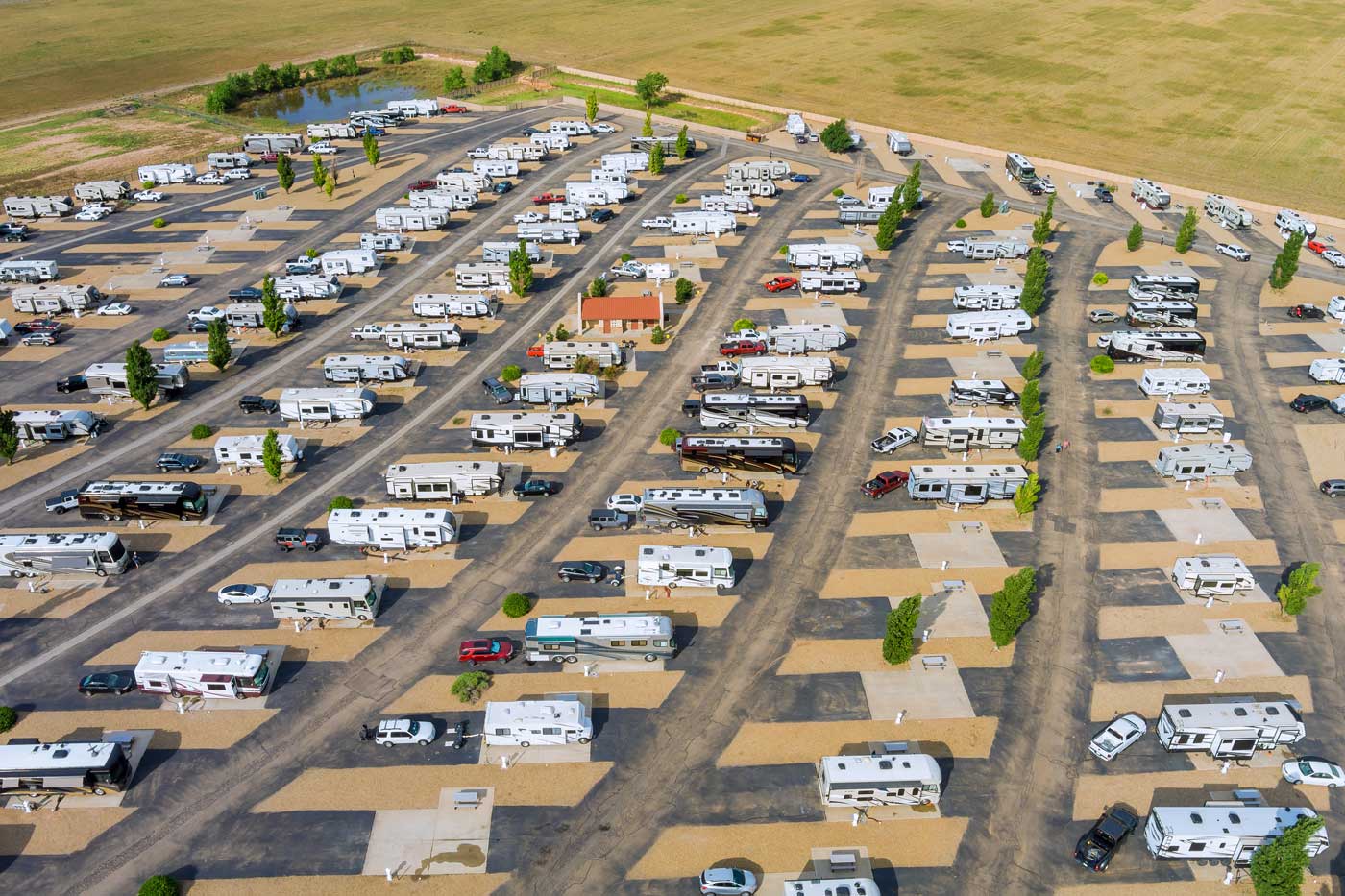
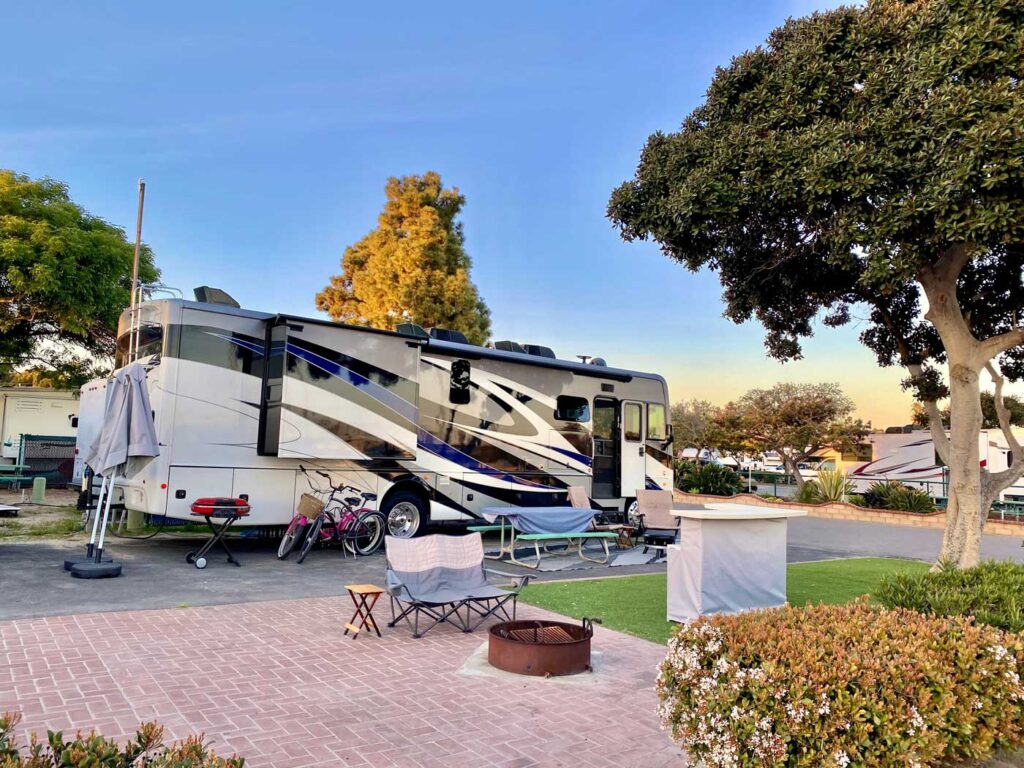
If your park looks like this, name it an RV Park. A practical place to enjoy your RV
Common Social Media Mistakes to Avoid
Even well-intentioned campground owners can make social media mistakes that harm their online reputation and reduce marketing effectiveness. Avoiding these common pitfalls will help ensure your social media efforts support rather than hinder your business goals.
Posting irregularly or abandoning social media accounts for weeks without explanation creates a poor impression and suggests unreliable management. Consistency builds trust and keeps your campground visible in followers’ feeds. If you can’t maintain regular posting, consider using scheduling tools or hiring social media management assistance.
It’s better to be active and consistent on a single platform than to be spread out and sporadic across multiple platforms.
We would recommend reserving your name on every channel, upload your logo to the profile picture, and complete the account description so people can find you, but then make a post that says “We’re not active on this channel. Visit us on Facebook” and link to your facbeook page in the bio (as an example).
Use this guide to help choose the best social media platform for your campground.
Ignoring negative comments or reviews rather than addressing them professionally can allow small issues to escalate and give the impression that you don’t care about guest experiences. Even if you can’t resolve every complaint, acknowledging concerns publicly shows that you take feedback seriously. Not being active on a channel could look like you’re ignoring comments (if you don’t reply when someone leaves a message on your instagram account, for instance, because you’re focused on Facebook). Having that first post that says, “We’re most active on our Facebook page. Please join us there,” is a great indicator when someone is trying to reach you.
Over-promoting booking offers without providing valuable, engaging content will cause followers to lose interest and unfollow your accounts. While promotional content is important, maintaining the 80/20 rule ensures your social media channels remain engaging rather than purely sales-focused.
Using low-quality photos that don’t showcase your campground’s best features wastes the opportunity to make a strong first impression on potential guests. Invest time in learning basic photography skills or hire a professional photographer to create a library of high-quality visuals for your content calendar.
Failing to respond to direct messages and comments in a timely manner suggests poor customer service and may cause potential guests to choose competitors who are more responsive. Set up notifications and check messages regularly to maintain excellent communication standards.
Neglecting to track analytics and adjust strategy based on performance data means missing opportunities to improve results and maximize return on investment. Regular review of social media analytics helps identify what content works best and where to focus future efforts.
Conclusion
Campground social media marketing has evolved from a nice-to-have luxury into an essential business strategy for outdoor hospitality success. By implementing the comprehensive strategies outlined in this guide, you’ll be well-equipped to build a solid online presence that drives more organic traffic, increases booking conversions, and creates a loyal community of outdoor enthusiasts around your brand.
Remember that effective social media marketing for campgrounds requires consistency, authenticity, and genuine engagement with your camping community. Start by choosing the right social media platforms for your target audience, create valuable content that showcases your unique amenities and natural beauty, and actively engage with guests to build lasting relationships.
The investment in time and resources required for successful campground social media marketing pays dividends through increased brand awareness, higher booking rates, and stronger guest loyalty. As you implement these strategies, focus on building genuine connections with potential campers rather than simply pushing promotional content.
Your campground’s social media success won’t happen overnight, but with consistent effort and attention to your guests’ needs and interests, you’ll create a digital presence that effectively drives traffic to your campground website and converts social media followers into enthusiastic guests who return year after year.